Date
2027-04-29
Duration
92 nights
Departure Port
New York
United States
Arrival Port
Southampton
United Kingdom
Rating
Ultra Luxury
Theme
—
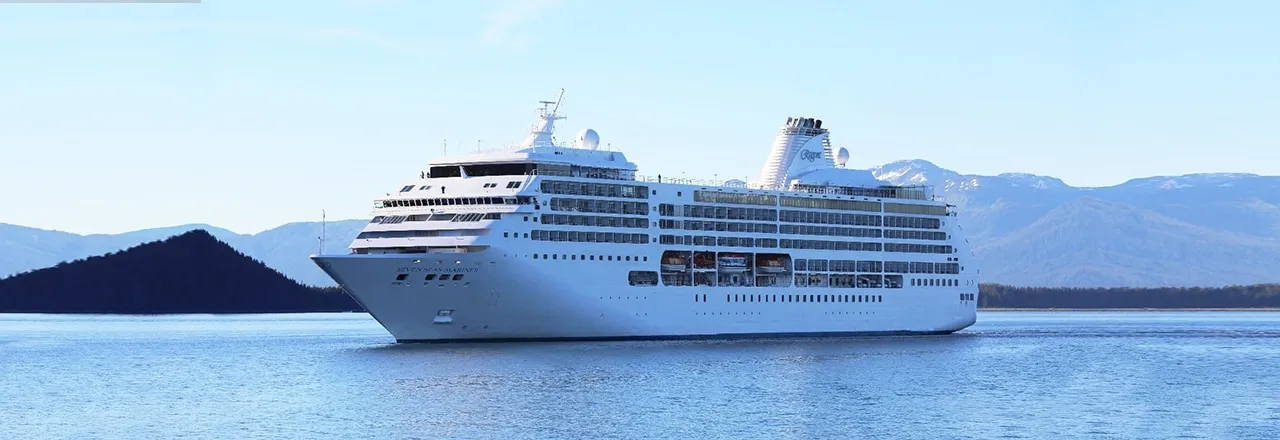


Regent Seven Seas Cruises
2001
2018
48,075 GT
700
350
459
216 m
28 m
20 knots
No

The Port of New York is a bustling maritime gateway rich in history and cultural diversity, making it a must-visit destination. Don't miss the chance to savor authentic New York pizza and explore the vibrant Chelsea Market. The best time to visit is during the spring or fall, when the weather is pleasant, and the city is alive with activity.

Halifax, the historic capital of Nova Scotia, is a refined Atlantic port where centuries of maritime heritage meet a flourishing culinary scene anchored by Digby scallops, donairs, and one of North America's oldest farmers' markets. Visitors should not miss the star-shaped Citadel Hill and the harbourfront boardwalk's constellation of galleries and tasting rooms. The ideal season stretches from late June through October, when autumn's blazing foliage transforms the entire province into a masterwork of colour and the cruise terminal welcomes the world's finest vessels.

St. John's is North America's oldest English-founded city, a colourful Newfoundland harbour capital where Jellybean Row houses climb steep hills, Marconi received the first transatlantic wireless signal, and icebergs drift past the harbour mouth each spring. Must-dos include climbing Signal Hill for Atlantic panoramas, the screech-in cod-kissing ceremony, and hiking to Cape Spear — the continent's easternmost point. Visit July or August for warm weather and iceberg season.

Ponta Delgada, Portugal, offers the Atlantic coast of Europe at its most authentic—fresh seafood, dramatic coastal scenery, and the maritime character of communities shaped by centuries of oceanic tradition. Don't miss the local markets and the regional wines that complement the cuisine perfectly. Best visited October through April, when cooler temperatures and lower humidity create ideal conditions. Cruise lines including P&O Cruises feature this port on their most compelling itineraries. Whether you have a few hours or a full day, the port rewards exploration at every pace and in every direction.

Funchal — Madeira's radiant capital, its name derived from the wild fennel that greeted Portuguese settlers in 1419 — cascades down volcanic hillsides to a deep-water harbour that has welcomed mariners and wanderers for six centuries. The Reid's Palace, opened in 1891, remains one of the Atlantic's most legendary hotels, its clifftop terraces commanding views that inspired Churchill, Shaw, and a century of distinguished guests. The city's floating flower market, levada walks through ancient laurisilva forest, and the exhilarating toboggan descent from Monte combine for days of effortless discovery. The subtropical climate makes Funchal appealing year-round, with spring particularly spectacular for wildflowers.

Santa Cruz de Tenerife, the cosmopolitan capital of the Canary Islands, balances volcanic grandeur with refined urban pleasures — from the Santiago Calatrava–designed Auditorio rising beside the Atlantic to the ancient dragon tree at Icod de los Vinos and the World Heritage Teide volcano looming above the island. The city's Carnival, second in scale only to Rio de Janeiro's, erupts each February in spectacular costumes and street revelry. Local wines from the volcanic slopes, wrinkled potatoes with mojo verde, and fresh Atlantic fish define the island's culinary character. November through April offers reliably warm, sun-drenched conditions.

Arrecife, the unpretentious capital of Lanzarote in Spain's Canary Islands, serves as the gateway to one of the volcanic world's most surreal and spellbinding landscapes — shaped by César Manrique, the visionary artist who ensured there are no high-rises, no billboards, and no compromise between tourism and the island's extraordinary terrain. The Timanfaya National Park's lava fields, the underground lake of the Jameos del Agua, and Manrique's own clifftop home-turned-museum are among the most singular attractions in all of Spain. The Canary Islands enjoy a year-round temperate climate, making any month suitable for a visit. Gran Canaria lies forty minutes by ferry.

Agadir is southern Morocco's premier coastal resort, rebuilt after a devastating 1960 earthquake into a modern city framed by a magnificent six-kilometer beach and the Atlas Mountains. Feast on just-caught sardines grilled at the harbor, shop for argan oil at the vast Souk El Had, and day-trip to the palm-shaded swimming pools of Paradise Valley. October through April provides ideal temperatures, with Azamara, Costa, and Viking calling at the commercial port.

Casablanca is Morocco's largest city, a striking fusion of Berber heritage, French colonial art deco architecture, and contemporary ambition anchored by the towering Hassan II Mosque on the Atlantic shore. Visitors should not miss the Central Market's freshly grilled seafood and a half-day excursion to the imperial capital Rabat or the UNESCO-listed fortress of Aït Ben Haddou. The optimal season for cruising into Casablanca is April through June or September through November, when temperatures hover between twenty and twenty-seven degrees and the Atlantic light renders the white city at its most luminous.

Lisbon, Portugal's enchanting capital, stands out for its rich history, stunning architecture, and vibrant culture. Must-try experiences include savoring local dishes like bacalhau à brás and pastéis de nata at Mercado da Ribeira. The best time to visit is during the spring or fall, when the weather is mild and the city is alive with festivals and events.

Porto, set dramatically on the granite bluffs above the Douro River, is among Europe's most romantically dishevelled cities — a place where baroque church towers rise above terracotta rooftops and century-old azulejo tilework lines every alley. Cross the iron Dom Luís I Bridge for sweeping views and descend into Vila Nova de Gaia's atmospheric wine lodges for a tasting of aged tawny port direct from the barrel. Seafood is magnificent: salt cod prepared a hundred ways, barnacles glistening with lemon, and custard tarts still warm from the oven. Spring and early autumn offer the finest conditions.

La Coruña, the Atlantic gateway to Spain's verdant Galicia region, is home to the Tower of Hercules — the world's oldest functioning Roman lighthouse and a UNESCO World Heritage Site — and a waterfront of luminous glass galleries unlike anything else in Europe. Visitors should not miss savouring pulpo á feira and wild percebes at the local markets, nor the short journey to Santiago de Compostela along the Camino. Late spring through early autumn offers the mildest weather, with September providing warm days, golden light, and fewer crowds along the granite streets of the Ciudad Vieja.

Gijón is a refined Atlantic port city on Spain's Asturian coast, where a three-thousand-year history, a celebrated cider and culinary culture, and the dramatic headland quarter of Cimadevilla converge to create one of Iberia's most compelling yet uncrowded cruise destinations. Visitors should not miss the traditional cider houses of Cimadevilla and a day trip to the Picos de Europa via Cangas de Onís. The finest months to visit are May through September, when long coastal evenings and mild Cantabrian weather reveal the city at its luminous best.

Bilbao is the Basque Country's cultural capital, where Frank Gehry's iconic Guggenheim Museum anchors a city transformed from industrial port to world-class destination. Visitors should not miss the pintxo bars of the Casco Viejo and the extraordinary Michelin-starred dining scene, alongside the museum's titanium splendor. The ideal months to visit are May through October, when mild Atlantic weather bathes the city in soft light perfect for exploring its riverside promenades and nearby Rioja wine country.

Bordeaux, France's premier port city, is renowned for its historical significance, stunning architecture, and world-class wine. Must-do experiences include savoring local delicacies at Marché des Quais and exploring the breathtaking art installations at Place de la Bourse. The best season to visit is during the late spring and early autumn, when the weather is pleasant and the vineyards are in full bloom.

La Rochelle is a historic French Atlantic port city renowned for its medieval tower-flanked harbour, Renaissance arcaded streets, and proximity to the elegant Île de Ré. Visit from April through October to explore world-class museums, cycle the island's salt marshes and oyster villages, and dine on some of France's finest seafood.
Saint Helier is the capital of Jersey, a self-governing Crown Dependency in the English Channel that blends British and Norman French heritage across 119 square kilometres of granite cliffs, tidal flats, and world-famous dairy farmland. Must-dos include the Victorian Central Market, tasting Jersey Royal potatoes and spider crab, and walking the dramatic north coast cliff paths. Visit May through June for the potato harvest, wildflower cliffs, and longest days.

Founded in 1517 by Francis I and rebuilt after World War II devastation by Auguste Perret's visionary grid of reinforced concrete — now a UNESCO World Heritage Site — Le Havre is a city where urban architecture becomes a form of art. The monumental church of Saint-Joseph, lit from within by fifteen thousand pieces of coloured glass, is a masterpiece of post-war modernism. Day trips to Honfleur, the exquisite half-timbered port that launched Impressionism, and to the D-Day beaches of Normandy, make Le Havre one of the channel's most strategically placed cruise calls. The city is most agreeable May through September; the Honfleur excursion rewards in any season.
Dunkirk, France, France is a distinctive port city where deep cultural heritage meets authentic local atmosphere, featured on itineraries by Azamara. Must-do experiences include walking the historic center to experience the layered architectural heritage, and seeking out the regional culinary traditions at a locally favored establishment away from the port area. The optimal time to visit is June through August, when summer months bring the warmest temperatures and longest days.

London (Tilbury) offers a majestic gateway to Britain's capital, where two thousand years of history unfold from Roman ruins to soaring modern architecture along the Thames. Visitors should not miss Borough Market's artisan British fare and the timeless mystery of Stonehenge on a day excursion to Salisbury Plain. The ideal season to visit is late spring through early autumn — May to September — when long golden evenings illuminate the city's parks and promenades at their finest.

Zeebrugge — Belgium's principal cruise port, whose very name means 'Sea-Bruges' — serves as the maritime portal to one of Europe's most perfectly preserved medieval cities, with the UNESCO-listed canal network of Bruges just fifteen minutes away, its lace shops, chocolate artisans, and moated Beguinage offering an almost impossibly picturesque step back into the Flemish Golden Age. The port itself carries its own dramatic history: the site of the audacious 1918 Zeebrugge Raid, when the Royal Navy launched a daring assault to block the harbor during World War I. Year-round access to Bruges, Ghent, and Brussels — each within easy reach — makes Zeebrugge a supremely versatile port of call.

IJmuiden is the Netherlands' North Sea gateway to Amsterdam, where the world's largest sea lock marks the entrance to the North Sea Canal. Visitors should taste smoked fish and kibbeling at the harbour, explore the wild dune landscapes of South Kennemerland National Park, and marvel at centuries of Dutch maritime engineering. Late spring through early autumn offers the best weather for coastal exploration.

Bremerhaven is Germany's emigration port, where seven million Europeans departed for the New World and the award-winning German Emigration Center now transforms their journeys into viscerally immersive experiences. Visit May through September via Holland America Line for the Hanseatic Kogge ship conservation, climate zone museums, and the profound encounter with maritime history as human history at the mouth of the Weser.

Kristiansand is Norway's sun-drenched southern gateway, a Renaissance-planned harbour city where white timber houses, island-dotted coastlines, and exceptional seafood — particularly the beloved cold-water shrimp eaten fresh at the Fiskebrygga market — create an atmosphere closer to the Mediterranean than the Arctic. Visitors should not miss wandering the historic Posebyen quarter and sampling *fiskesuppe* by the harbour. The ideal season is June through August, when endless daylight bathes the Skagerrak coast in golden warmth and the outdoor culture of Sørlandet comes fully alive.

The port of Oslo is a scenic gateway to Norway's rich history and vibrant culture, marked by stunning architecture and lush landscapes. Must-do experiences include savoring traditional dishes like **rakfisk** and exploring the nearby fjords and charming villages. The best time to visit is during the summer months, when the city comes alive with festivals and outdoor activities.

Lysekil in Sweden offers dramatic Nordic landscapes where fjords, glaciers, and pristine wilderness create scenes of remarkable natural grandeur. The essential experience is immersion in the outdoor environment—hiking, wildlife watching, and savoring the region's exceptional seafood in settings of extraordinary beauty. Best visited June through September, when long northern days and mild temperatures make exploration a pleasure. Cruise lines including Crystal Cruises feature this port on their most compelling itineraries. Whether you have a few hours or a full day, the port rewards exploration at every pace and in every direction.

Skagen, Denmark's northernmost town, is a refined coastal destination where two seas meet at the tip of the Jutland peninsula, celebrated for its extraordinary painters' light, working fishing harbour, and pristine white-sand beaches at Grenen. Visitors should not miss tasting impeccably fresh *toast Skagen* at a harbourside restaurant and walking to the very point where the Kattegat and Skagerrak visibly collide — a rare natural spectacle. The ideal season to visit is June through August, when endless Scandinavian summer light bathes the landscape in the same golden luminosity that inspired the famous Skagen artists of the nineteenth century.

Gothenburg is Sweden's maritime second city and Scandinavia's seafood capital, where Dutch-designed canals, a world-class food scene, and a stunning west-coast archipelago create one of northern Europe's most rewarding destinations. Must-dos include visiting the Fish Church market, tasting Bohuslan langoustines and Grebbestad oysters, and island-hopping the car-free granite archipelago. May through September offers the longest days and warmest weather.

Rising from the harbour that Viking chieftain Absalon fortified in 1167, Copenhagen has evolved into one of Europe's most sophisticated capitals — a city where medieval spires and cutting-edge architecture coexist with effortless style. Savour smørrebrød at a century-old lunch counter, cycle across the harbour bridge to the revitalised Meatpacking District, and venture north to Kronborg Castle — Shakespeare's Elsinore. As one of Northern Europe's premier cruise homeports, it serves as the ideal gateway to Baltic and Scandinavian itineraries, best experienced from May to September.

Kiel, a historic maritime city on the Baltic Sea, is celebrated for its rich naval heritage and vibrant waterfront atmosphere. Must-do experiences include sampling local delicacies like Labskaus and visiting the lively Wochenmarkt. The best time to experience Kiel is during the summer months, particularly during the Kieler Woche regatta in June.

Rønne is the gateway to Bornholm, Denmark's Baltic island renowned for its granite cliffs, medieval round churches, and exceptional artisan food scene including traditional smokehouses and a Michelin-starred restaurant. Must-do experiences include exploring Hammershus castle ruins, eating Sol over Gudhjem smoked herring, and visiting the frozen-in-time fortress island of Christiansø. June through August is ideal for the longest days and Baltic swimming.

Gdańsk is a magnificently reconstructed Baltic port city where Gothic spires, amber-laden merchant houses, and the birthplace of the Solidarity movement converge along the luminous Motława River. Visitors should not miss the Royal Way's Renaissance façades and a tasting of traditional żurek soup and Goldwasser gold-flecked liqueur at a waterfront restaurant. The Baltic cruise season from May through September offers the most favorable weather, with long northern days that bathe the city's ornate gables in golden light well past nine in the evening.

Liepāja is Latvia's windswept Baltic port city, home to the extraordinary Karosta former Russian Imperial naval base, a vibrant live music scene, and some of Latvia's finest white-sand beaches with interactive piano sculptures along the promenade. Must-dos include exploring the Karosta prison and Byzantine-style cathedral, attending a concert at the amber-glass Great Amber hall, and walking the Blue Flag beach. June through August offers the warmest weather and longest Baltic daylight.

Riga, Latvia’s capital, is a vibrant port known for its rich history, stunning architecture, and dynamic atmosphere. Must-do experiences include wandering the cobbled streets of Old Riga and savoring local dishes like gray peas with speck. The best season to visit is during the summer months when the city comes alive with festivals and outdoor activities.

Tallinn’s port offers a captivating blend of history and modernity, with its medieval Old Town recognized as a UNESCO World Heritage site. Must-do experiences include exploring the iconic Raekoja plats and indulging in local culinary delights like kama and smoked herring. The best season to visit is during the summer when the city comes alive with festivals and outdoor activities.

Kotka is a Finnish maritime city at the Kymi River's mouth, home to the award-winning Sapokka Water Garden carved from a former quarry and the Tsar Alexander III's charming Imperial Fishing Lodge at Langinkoski rapids. Must-dos include strolling the illuminated Sapokka park, visiting Finland's only saltwater aquarium, and touring the tsar's rustic salmon fishing retreat. June through August offers warm Finnish summer weather with near-continuous midsummer daylight.

Stockholm's port is a stunning gateway to one of Europe’s most beautiful cities, uniquely positioned on fourteen islands. Must-do experiences include savoring traditional Swedish dishes like **köttbullar** and exploring nearby attractions such as Visby and Malmö. The best season to visit is during the summer months when the city is vibrant with life and outdoor activities.

Helsinki’s port is a gateway to a captivating blend of history, modern architecture, and vibrant culture, making it a must-visit destination in the Baltic Sea. Highlights include savoring traditional Finnish dishes at the lively Market Square and exploring nearby attractions like the UNESCO-listed town of Rauma. The best season to visit is during the summer months when the city comes alive with festivals and outdoor activities.

Visby, on Sweden's island of Gotland, is a UNESCO-listed medieval treasure and the best-preserved walled city in Scandinavia, where thirteenth-century Hanseatic merchant heritage meets cobbled lanes draped in roses. Visitors should walk the complete 3.4-kilometre ring wall for panoramic views and taste the island's signature saffron pancake, saffranspannkaka, with dewberries and cream. The ideal season is June through August, when the Baltic light lingers well past midnight and the harbour welcomes the finest cruise lines on their summer itineraries.

Karlskrona is a UNESCO-listed Baroque naval city built on islands in Sweden's Blekinge archipelago, featuring one of Europe's finest maritime museums, intact eighteenth-century fortifications, and a 1,600-island archipelago. Must-dos include the Naval Museum's submarine tour, the Kungsholmen fortress boat trip, and summer crayfish feasts. June through August offers the warmest weather and longest days for island exploration.

Warnemünde is a beguiling Baltic seaside town at the mouth of the Warnow — at once a historic fishing port documented since 1195, an East German nostalgic resort beloved for its endless sandy beach and candy-striped lighthouse, and the maritime gateway to the proud Hanseatic city of Rostock just minutes away. The broad promenade, traditional Strandkörbe wicker beach chairs, and lively harbor-front fish restaurants give the town an unhurried, timeless character quite distinct from Germany's busier North Sea resorts. Summer is the prime season, when the Baltic's mild waters warm for swimming and the Rostock sailing regatta brings vibrant nautical pageantry to the harbor.

Aarhus, Denmark's spirited second city, blends Viking heritage with cutting-edge Nordic design along the shores of Aarhus Bay. No visit is complete without ascending the rainbow panorama at ARoS Art Museum and savoring *stegt flæsk* or freshly prepared *smørrebrød* in the Latin Quarter. The ideal season to arrive is late May through September, when long Scandinavian daylight hours illuminate the waterfront promenades and outdoor dining flourishes along the canals.

Aalborg is Denmark's reinvented northern city, where a former power station houses theatres and galleries, the Utzon Center honors the Sydney Opera House architect, and a Viking burial ground of seven hundred graves overlooks the Limfjord. Visit May through September via Seabourn or Viking for Scandinavia's largest carnival, extraordinary industrial-to-cultural architecture, and the unpretentious Jutlandic character that makes this city Copenhagen's most refreshing counterpoint.

Hamburg — once the 'Gateway to the World' and still Germany's greatest port — combines Hanseatic grandeur with an unmatched contemporary creative energy. The Speicherstadt, a vast nineteenth-century brick warehouse district now housing design studios, museums, and the Elbphilharmonie concert hall perched dramatically above the Elbe, exemplifies the city's gift for transforming history into living culture. The Reeperbahn's legendary nightlife, the Alster lake's elegant promenades, and an exceptional restaurant scene anchored by the finest fresh fish from the daily harbour market complete an irresistible portrait. Hamburg rewards visits year-round, though May through September offers the longest, most luminous days.

IJmuiden is the Netherlands' North Sea gateway to Amsterdam, where the world's largest sea lock marks the entrance to the North Sea Canal. Visitors should taste smoked fish and kibbeling at the harbour, explore the wild dune landscapes of South Kennemerland National Park, and marvel at centuries of Dutch maritime engineering. Late spring through early autumn offers the best weather for coastal exploration.

Newcastle upon Tyne is a vibrant northern English city where a magnificent neoclassical city center designed by Richard Grainger meets a transformed Quayside cultural quarter housing the BALTIC gallery and Norman Foster's Sage Gateshead. Walk the curve of Grey Street — voted England's finest — browse the 1835 Grainger Market, then venture to Hadrian's Wall and the castle-studded Northumberland coast. May through September provides the best conditions, with Crystal Cruises, Fred Olsen, and Oceania calling at the nearby Port of Tyne.

Aberdeen is Scotland's Granite City, where silver-flecked Victorian architecture meets a vibrant harbour and eight centuries of maritime heritage. Visitors should taste the legendary buttery rolls, explore clifftop Dunnottar Castle, and tour Royal Deeside toward Balmoral. May through August brings the long daylight hours that make the granite facades shimmer.

Invergordon is a charming port town in the Scottish Highlands, known for its rich history and scenic beauty. Must-do experiences include exploring the historic Battlefield of Culloden and savoring traditional dishes like haggis and cranachan. The best season to visit is during the summer months when local festivals and events bring the vibrant culture to life.

Kirkwall, the Norse-founded capital of Scotland's Orkney Islands, is a sandstone harbour town framed by UNESCO-listed Neolithic monuments, a twelfth-century cathedral, and some of Britain's finest coastal landscapes. Visitors should not miss the five-thousand-year-old village of Skara Brae and a tasting of North Ronaldsay seaweed-fed lamb paired with Highland Park whisky. The prime cruising season runs from May through August, when Orkney enjoys up to nineteen hours of daylight and the wild coastal light is at its most luminous.

Lerwick, capital of Scotland's Shetland Islands, is a captivating Norse-Scottish harbour town renowned for its seventeenth-century granite waterfront, Viking heritage, and pristine maritime larder of wind-dried reestit mutton and hand-dived scallops. Visitors should explore the lodberries along Commercial Street and the award-winning Shetland Museum at Hay's Dock. The optimal season is late May through August, when near-perpetual daylight — the famous "simmer dim" — bathes the islands in an ethereal golden glow and seabird colonies along the cliffs reach their spectacular peak.

Måløy, a charming coastal village in Norway, is renowned for its rich maritime history and stunning natural beauty. Must-do experiences include sampling local seafood specialties like "klippfisk" and visiting the historic Måløy Raid Center. The best season to visit is during the summer months, when the weather is mild and the coastal scenery is at its most captivating.
Eidsdal is a traditional farming village on Norway's Norddalsfjord, serving as the gateway to the UNESCO-listed Geirangerfjord via the spectacular Eagle Road with its eleven hairpin bends and panoramic viewpoints. Must-dos include taking the scenic ferry crossing to Linge, driving the Eagle Road to the Geiranger viewpoint, and tasting mountain lamb and brunost from local farms. Visit June through August for clear mountain roads and the most impressive waterfall displays.

Seyðisfjörður is a remote artist colony and historic port tucked into a dramatic fjord on Iceland's eastern coast, renowned for its nineteenth-century painted timber houses, the iconic Blue Church, and a thriving creative scene anchored by the annual LungA festival. Visitors should not miss the fjord approach by sea and a day trip to Dettifoss, Europe's most powerful waterfall. The prime visiting season is June through August, when the midnight sun bathes the fjord in golden light and cruise lines including Viking, Celebrity, and Holland America call at this intimate harbour.

Akureyri, the cultural capital of northern Iceland, sits at the head of the majestic Eyjafjörður and serves as a gateway to some of the island's most dramatic landscapes, including the thundering Goðafoss waterfall, the volcanic wonderland of Lake Mývatn, and Europe's most powerful cascade at Dettifoss. Visitors should not miss the excursion to Mývatn's geothermal pools and the tasting of traditional *hangikjöt* smoked lamb at a harbourside restaurant. The ideal season to visit is June through August, when the midnight sun bathes the fjord in endless golden light and the botanical gardens reach their luminous peak.

Ísafjörður is the cultural and historical capital of Iceland's remote Westfjords, a dramatic fjord-side settlement where centuries of fishing heritage meet stark Arctic grandeur. Visitors should not miss the communal seafood feast at Tjöruhúsið restaurant and a journey to the surreal red sands of Rauðasandur beach near Patreksfjörður. The optimal visiting window is June through August, when nearly perpetual daylight illuminates the encircling mountains and the town's vibrant cultural calendar reaches its peak.

Grundarfjörður is a fishing town at the base of Kirkjufell, Iceland's most photographed mountain, and the gateway to the Snæfellsnes Peninsula—dubbed "Iceland in miniature" for its concentrated geological diversity. Must-dos include photographing Kirkjufell with its companion waterfall and exploring Snæfellsjökull, the glacier volcano from Jules Verne's novel. June and July offer midnight sun and the most reliable weather for peninsula exploration.

Reykjavik, the world's northernmost capital, distils the entire improbable beauty of Iceland into one compact, creatively charged city. The soaring basalt columns of Hallgrímskirkja dominate a skyline of primary-coloured rooftops, while the Harpa Concert Hall shimmers beside the harbour like a captured aurora. Day trips from the city unlock the Golden Circle's geysers and Geysir hot spring, the black sand beaches of Vík, and the ethereal glacier lagoon at Jökulsárlón. Geothermal pools — from the legendary Blue Lagoon to intimate neighbourhood hot pots — offer warmth year-round. June and July bring the bewitching midnight sun.

Nuuk, Greenland's diminutive capital, is a city of vivid contrasts — colourful colonial houses against Arctic granite, Inuit heritage alongside contemporary Nordic culture, and world-class museums steps from untamed fjords. Visitors should not miss the Greenland National Museum's Qilakitsoq mummies and a Zodiac excursion into the surrounding iceberg-studded fjord system. The prime cruising season runs from June through September, when extended daylight illuminates the landscape in an ethereal sub-Arctic glow and waters remain navigable for expedition vessels.

Paamiut is a small Greenlandic town on the Davis Strait coast, set against a dramatic backdrop of ice-capped mountains and drifting icebergs in one of Earth's most sparsely inhabited regions. Must-dos include kayaking among icebergs, whale watching from the harbor, and tasting fresh Arctic char and halibut. Visit June to September for midnight sun and the warmest conditions.

Greenock is the cruise gateway to Glasgow and the Scottish Highlands, situated where the River Clyde meets the sea amid Victorian maritime architecture and mountain views. Visit from April through October for Glasgow's world-class museums and dining, Loch Lomond's legendary landscapes, and Highland whisky distillery tours.
Greencastle is a fishing village on Ireland's Inishowen Peninsula in County Donegal, overlooked by a fourteenth-century castle ruin and serving as a gateway to Malin Head — Ireland's most northerly point. Must-do experiences include visiting the ancient hillfort of Grianán of Aileach, sampling freshly caught Donegal crab and lobster, and driving the Wild Atlantic Way coastal roads. July and August offer the warmest weather and liveliest traditional music sessions.

Dún Laoghaire is an elegant Victorian harbour town on Dublin Bay, renowned for its sweeping nineteenth-century granite piers, literary heritage tied to James Joyce, and vibrant artisan food culture featuring Dublin Bay prawns, boxty, and farmhouse cheeses. Visitors should walk the historic East Pier for panoramic bay views and explore the Sunday market at People's Park. The ideal season is late May through September, when long Irish summer evenings bathe the waterfront in golden light and outdoor dining comes alive along the seafront.

Liverpool, an historic port city, is renowned for its unique blend of vibrant culture and rich maritime heritage. Must-do experiences include sampling authentic Scouse and exploring the Three Graces along the waterfront. The best season to visit is during the mild summer months, when festivals and events enliven the city’s atmosphere.
Bangor is the cruise port gateway to Belfast, where the Titanic Belfast museum, Cathedral Quarter, and political murals have transformed Northern Ireland's capital into one of the British Isles' most dynamic cultural destinations. Must-dos include the immersive Titanic Belfast experience, tasting an Ulster fry at St George's Market, and exploring the street art of the Falls and Shankill Roads. May through September for the longest days, with day trips to the Giant's Causeway available from Bangor.

Cobh is a historic harbour town in Cork, Ireland, famed as the Titanic's last port of call and the departure point for 2.5 million Irish emigrants. Must-dos include visiting the Cobh Heritage Centre and Titanic Experience, admiring St. Colman's Cathedral and its 49-bell carillon, and exploring the English Market in nearby Cork. May through September offers the longest days and best weather for this emotionally rich port.

Southampton, England's storied ocean liner capital on the southern coast, carries an indelible maritime identity — this is the port from which the Titanic departed and from which the Queen Mary 2 still sails in grandeur today. The medieval Bargate and City Walls speak to a history stretching back to Roman times, while the SeaCity Museum tells the story of the great liners with moving intimacy. Day excursions reach Winchester's magnificent cathedral, the stately rooms of Beaulieu, and the primeval wilderness of the New Forest — where ancient ponies still roam freely. Spring and summer offer the most pleasant conditions for exploring the region.
Day 1

The Port of New York is a bustling maritime gateway rich in history and cultural diversity, making it a must-visit destination. Don't miss the chance to savor authentic New York pizza and explore the vibrant Chelsea Market. The best time to visit is during the spring or fall, when the weather is pleasant, and the city is alive with activity.
Day 2
Day 3

Halifax, the historic capital of Nova Scotia, is a refined Atlantic port where centuries of maritime heritage meet a flourishing culinary scene anchored by Digby scallops, donairs, and one of North America's oldest farmers' markets. Visitors should not miss the star-shaped Citadel Hill and the harbourfront boardwalk's constellation of galleries and tasting rooms. The ideal season stretches from late June through October, when autumn's blazing foliage transforms the entire province into a masterwork of colour and the cruise terminal welcomes the world's finest vessels.
Day 4
Day 5

St. John's is North America's oldest English-founded city, a colourful Newfoundland harbour capital where Jellybean Row houses climb steep hills, Marconi received the first transatlantic wireless signal, and icebergs drift past the harbour mouth each spring. Must-dos include climbing Signal Hill for Atlantic panoramas, the screech-in cod-kissing ceremony, and hiking to Cape Spear — the continent's easternmost point. Visit July or August for warm weather and iceberg season.
Day 6
Day 8
Day 9

Ponta Delgada, Portugal, offers the Atlantic coast of Europe at its most authentic—fresh seafood, dramatic coastal scenery, and the maritime character of communities shaped by centuries of oceanic tradition. Don't miss the local markets and the regional wines that complement the cuisine perfectly. Best visited October through April, when cooler temperatures and lower humidity create ideal conditions. Cruise lines including P&O Cruises feature this port on their most compelling itineraries. Whether you have a few hours or a full day, the port rewards exploration at every pace and in every direction.
Day 10
Day 11

Funchal — Madeira's radiant capital, its name derived from the wild fennel that greeted Portuguese settlers in 1419 — cascades down volcanic hillsides to a deep-water harbour that has welcomed mariners and wanderers for six centuries. The Reid's Palace, opened in 1891, remains one of the Atlantic's most legendary hotels, its clifftop terraces commanding views that inspired Churchill, Shaw, and a century of distinguished guests. The city's floating flower market, levada walks through ancient laurisilva forest, and the exhilarating toboggan descent from Monte combine for days of effortless discovery. The subtropical climate makes Funchal appealing year-round, with spring particularly spectacular for wildflowers.
Day 12

Santa Cruz de Tenerife, the cosmopolitan capital of the Canary Islands, balances volcanic grandeur with refined urban pleasures — from the Santiago Calatrava–designed Auditorio rising beside the Atlantic to the ancient dragon tree at Icod de los Vinos and the World Heritage Teide volcano looming above the island. The city's Carnival, second in scale only to Rio de Janeiro's, erupts each February in spectacular costumes and street revelry. Local wines from the volcanic slopes, wrinkled potatoes with mojo verde, and fresh Atlantic fish define the island's culinary character. November through April offers reliably warm, sun-drenched conditions.
Day 13

Arrecife, the unpretentious capital of Lanzarote in Spain's Canary Islands, serves as the gateway to one of the volcanic world's most surreal and spellbinding landscapes — shaped by César Manrique, the visionary artist who ensured there are no high-rises, no billboards, and no compromise between tourism and the island's extraordinary terrain. The Timanfaya National Park's lava fields, the underground lake of the Jameos del Agua, and Manrique's own clifftop home-turned-museum are among the most singular attractions in all of Spain. The Canary Islands enjoy a year-round temperate climate, making any month suitable for a visit. Gran Canaria lies forty minutes by ferry.
Day 14

Agadir is southern Morocco's premier coastal resort, rebuilt after a devastating 1960 earthquake into a modern city framed by a magnificent six-kilometer beach and the Atlas Mountains. Feast on just-caught sardines grilled at the harbor, shop for argan oil at the vast Souk El Had, and day-trip to the palm-shaded swimming pools of Paradise Valley. October through April provides ideal temperatures, with Azamara, Costa, and Viking calling at the commercial port.
Day 15

Casablanca is Morocco's largest city, a striking fusion of Berber heritage, French colonial art deco architecture, and contemporary ambition anchored by the towering Hassan II Mosque on the Atlantic shore. Visitors should not miss the Central Market's freshly grilled seafood and a half-day excursion to the imperial capital Rabat or the UNESCO-listed fortress of Aït Ben Haddou. The optimal season for cruising into Casablanca is April through June or September through November, when temperatures hover between twenty and twenty-seven degrees and the Atlantic light renders the white city at its most luminous.
Day 16
Day 17

Lisbon, Portugal's enchanting capital, stands out for its rich history, stunning architecture, and vibrant culture. Must-try experiences include savoring local dishes like bacalhau à brás and pastéis de nata at Mercado da Ribeira. The best time to visit is during the spring or fall, when the weather is mild and the city is alive with festivals and events.
Day 18

Porto, set dramatically on the granite bluffs above the Douro River, is among Europe's most romantically dishevelled cities — a place where baroque church towers rise above terracotta rooftops and century-old azulejo tilework lines every alley. Cross the iron Dom Luís I Bridge for sweeping views and descend into Vila Nova de Gaia's atmospheric wine lodges for a tasting of aged tawny port direct from the barrel. Seafood is magnificent: salt cod prepared a hundred ways, barnacles glistening with lemon, and custard tarts still warm from the oven. Spring and early autumn offer the finest conditions.
Day 19
Day 20

La Coruña, the Atlantic gateway to Spain's verdant Galicia region, is home to the Tower of Hercules — the world's oldest functioning Roman lighthouse and a UNESCO World Heritage Site — and a waterfront of luminous glass galleries unlike anything else in Europe. Visitors should not miss savouring pulpo á feira and wild percebes at the local markets, nor the short journey to Santiago de Compostela along the Camino. Late spring through early autumn offers the mildest weather, with September providing warm days, golden light, and fewer crowds along the granite streets of the Ciudad Vieja.
Day 21

Gijón is a refined Atlantic port city on Spain's Asturian coast, where a three-thousand-year history, a celebrated cider and culinary culture, and the dramatic headland quarter of Cimadevilla converge to create one of Iberia's most compelling yet uncrowded cruise destinations. Visitors should not miss the traditional cider houses of Cimadevilla and a day trip to the Picos de Europa via Cangas de Onís. The finest months to visit are May through September, when long coastal evenings and mild Cantabrian weather reveal the city at its luminous best.
Day 22

Bilbao is the Basque Country's cultural capital, where Frank Gehry's iconic Guggenheim Museum anchors a city transformed from industrial port to world-class destination. Visitors should not miss the pintxo bars of the Casco Viejo and the extraordinary Michelin-starred dining scene, alongside the museum's titanium splendor. The ideal months to visit are May through October, when mild Atlantic weather bathes the city in soft light perfect for exploring its riverside promenades and nearby Rioja wine country.
Day 23
Day 24

Bordeaux, France's premier port city, is renowned for its historical significance, stunning architecture, and world-class wine. Must-do experiences include savoring local delicacies at Marché des Quais and exploring the breathtaking art installations at Place de la Bourse. The best season to visit is during the late spring and early autumn, when the weather is pleasant and the vineyards are in full bloom.
Day 26

La Rochelle is a historic French Atlantic port city renowned for its medieval tower-flanked harbour, Renaissance arcaded streets, and proximity to the elegant Île de Ré. Visit from April through October to explore world-class museums, cycle the island's salt marshes and oyster villages, and dine on some of France's finest seafood.
Day 27
Day 28
Saint Helier is the capital of Jersey, a self-governing Crown Dependency in the English Channel that blends British and Norman French heritage across 119 square kilometres of granite cliffs, tidal flats, and world-famous dairy farmland. Must-dos include the Victorian Central Market, tasting Jersey Royal potatoes and spider crab, and walking the dramatic north coast cliff paths. Visit May through June for the potato harvest, wildflower cliffs, and longest days.
Day 29

Founded in 1517 by Francis I and rebuilt after World War II devastation by Auguste Perret's visionary grid of reinforced concrete — now a UNESCO World Heritage Site — Le Havre is a city where urban architecture becomes a form of art. The monumental church of Saint-Joseph, lit from within by fifteen thousand pieces of coloured glass, is a masterpiece of post-war modernism. Day trips to Honfleur, the exquisite half-timbered port that launched Impressionism, and to the D-Day beaches of Normandy, make Le Havre one of the channel's most strategically placed cruise calls. The city is most agreeable May through September; the Honfleur excursion rewards in any season.
Day 30

Dunkirk, France, France is a distinctive port city where deep cultural heritage meets authentic local atmosphere, featured on itineraries by Azamara. Must-do experiences include walking the historic center to experience the layered architectural heritage, and seeking out the regional culinary traditions at a locally favored establishment away from the port area. The optimal time to visit is June through August, when summer months bring the warmest temperatures and longest days.
Day 31

London (Tilbury) offers a majestic gateway to Britain's capital, where two thousand years of history unfold from Roman ruins to soaring modern architecture along the Thames. Visitors should not miss Borough Market's artisan British fare and the timeless mystery of Stonehenge on a day excursion to Salisbury Plain. The ideal season to visit is late spring through early autumn — May to September — when long golden evenings illuminate the city's parks and promenades at their finest.
Day 32
Day 33

Zeebrugge — Belgium's principal cruise port, whose very name means 'Sea-Bruges' — serves as the maritime portal to one of Europe's most perfectly preserved medieval cities, with the UNESCO-listed canal network of Bruges just fifteen minutes away, its lace shops, chocolate artisans, and moated Beguinage offering an almost impossibly picturesque step back into the Flemish Golden Age. The port itself carries its own dramatic history: the site of the audacious 1918 Zeebrugge Raid, when the Royal Navy launched a daring assault to block the harbor during World War I. Year-round access to Bruges, Ghent, and Brussels — each within easy reach — makes Zeebrugge a supremely versatile port of call.
Day 34

IJmuiden is the Netherlands' North Sea gateway to Amsterdam, where the world's largest sea lock marks the entrance to the North Sea Canal. Visitors should taste smoked fish and kibbeling at the harbour, explore the wild dune landscapes of South Kennemerland National Park, and marvel at centuries of Dutch maritime engineering. Late spring through early autumn offers the best weather for coastal exploration.
Day 36

Bremerhaven is Germany's emigration port, where seven million Europeans departed for the New World and the award-winning German Emigration Center now transforms their journeys into viscerally immersive experiences. Visit May through September via Holland America Line for the Hanseatic Kogge ship conservation, climate zone museums, and the profound encounter with maritime history as human history at the mouth of the Weser.
Day 37
Day 38

Kristiansand is Norway's sun-drenched southern gateway, a Renaissance-planned harbour city where white timber houses, island-dotted coastlines, and exceptional seafood — particularly the beloved cold-water shrimp eaten fresh at the Fiskebrygga market — create an atmosphere closer to the Mediterranean than the Arctic. Visitors should not miss wandering the historic Posebyen quarter and sampling *fiskesuppe* by the harbour. The ideal season is June through August, when endless daylight bathes the Skagerrak coast in golden warmth and the outdoor culture of Sørlandet comes fully alive.
Day 39

The port of Oslo is a scenic gateway to Norway's rich history and vibrant culture, marked by stunning architecture and lush landscapes. Must-do experiences include savoring traditional dishes like **rakfisk** and exploring the nearby fjords and charming villages. The best time to visit is during the summer months, when the city comes alive with festivals and outdoor activities.
Day 40

Lysekil in Sweden offers dramatic Nordic landscapes where fjords, glaciers, and pristine wilderness create scenes of remarkable natural grandeur. The essential experience is immersion in the outdoor environment—hiking, wildlife watching, and savoring the region's exceptional seafood in settings of extraordinary beauty. Best visited June through September, when long northern days and mild temperatures make exploration a pleasure. Cruise lines including Crystal Cruises feature this port on their most compelling itineraries. Whether you have a few hours or a full day, the port rewards exploration at every pace and in every direction.
Day 41

Skagen, Denmark's northernmost town, is a refined coastal destination where two seas meet at the tip of the Jutland peninsula, celebrated for its extraordinary painters' light, working fishing harbour, and pristine white-sand beaches at Grenen. Visitors should not miss tasting impeccably fresh *toast Skagen* at a harbourside restaurant and walking to the very point where the Kattegat and Skagerrak visibly collide — a rare natural spectacle. The ideal season to visit is June through August, when endless Scandinavian summer light bathes the landscape in the same golden luminosity that inspired the famous Skagen artists of the nineteenth century.
Day 42

Gothenburg is Sweden's maritime second city and Scandinavia's seafood capital, where Dutch-designed canals, a world-class food scene, and a stunning west-coast archipelago create one of northern Europe's most rewarding destinations. Must-dos include visiting the Fish Church market, tasting Bohuslan langoustines and Grebbestad oysters, and island-hopping the car-free granite archipelago. May through September offers the longest days and warmest weather.
Day 43

Rising from the harbour that Viking chieftain Absalon fortified in 1167, Copenhagen has evolved into one of Europe's most sophisticated capitals — a city where medieval spires and cutting-edge architecture coexist with effortless style. Savour smørrebrød at a century-old lunch counter, cycle across the harbour bridge to the revitalised Meatpacking District, and venture north to Kronborg Castle — Shakespeare's Elsinore. As one of Northern Europe's premier cruise homeports, it serves as the ideal gateway to Baltic and Scandinavian itineraries, best experienced from May to September.
Day 44
Day 45

Kiel, a historic maritime city on the Baltic Sea, is celebrated for its rich naval heritage and vibrant waterfront atmosphere. Must-do experiences include sampling local delicacies like Labskaus and visiting the lively Wochenmarkt. The best time to experience Kiel is during the summer months, particularly during the Kieler Woche regatta in June.
Day 46

Rønne is the gateway to Bornholm, Denmark's Baltic island renowned for its granite cliffs, medieval round churches, and exceptional artisan food scene including traditional smokehouses and a Michelin-starred restaurant. Must-do experiences include exploring Hammershus castle ruins, eating Sol over Gudhjem smoked herring, and visiting the frozen-in-time fortress island of Christiansø. June through August is ideal for the longest days and Baltic swimming.
Day 47

Gdańsk is a magnificently reconstructed Baltic port city where Gothic spires, amber-laden merchant houses, and the birthplace of the Solidarity movement converge along the luminous Motława River. Visitors should not miss the Royal Way's Renaissance façades and a tasting of traditional żurek soup and Goldwasser gold-flecked liqueur at a waterfront restaurant. The Baltic cruise season from May through September offers the most favorable weather, with long northern days that bathe the city's ornate gables in golden light well past nine in the evening.
Day 48

Liepāja is Latvia's windswept Baltic port city, home to the extraordinary Karosta former Russian Imperial naval base, a vibrant live music scene, and some of Latvia's finest white-sand beaches with interactive piano sculptures along the promenade. Must-dos include exploring the Karosta prison and Byzantine-style cathedral, attending a concert at the amber-glass Great Amber hall, and walking the Blue Flag beach. June through August offers the warmest weather and longest Baltic daylight.
Day 49

Riga, Latvia’s capital, is a vibrant port known for its rich history, stunning architecture, and dynamic atmosphere. Must-do experiences include wandering the cobbled streets of Old Riga and savoring local dishes like gray peas with speck. The best season to visit is during the summer months when the city comes alive with festivals and outdoor activities.
Day 50

Tallinn’s port offers a captivating blend of history and modernity, with its medieval Old Town recognized as a UNESCO World Heritage site. Must-do experiences include exploring the iconic Raekoja plats and indulging in local culinary delights like kama and smoked herring. The best season to visit is during the summer when the city comes alive with festivals and outdoor activities.
Day 51

Kotka is a Finnish maritime city at the Kymi River's mouth, home to the award-winning Sapokka Water Garden carved from a former quarry and the Tsar Alexander III's charming Imperial Fishing Lodge at Langinkoski rapids. Must-dos include strolling the illuminated Sapokka park, visiting Finland's only saltwater aquarium, and touring the tsar's rustic salmon fishing retreat. June through August offers warm Finnish summer weather with near-continuous midsummer daylight.
Day 52
Day 53

Stockholm's port is a stunning gateway to one of Europe’s most beautiful cities, uniquely positioned on fourteen islands. Must-do experiences include savoring traditional Swedish dishes like **köttbullar** and exploring nearby attractions such as Visby and Malmö. The best season to visit is during the summer months when the city is vibrant with life and outdoor activities.
Day 54

Helsinki’s port is a gateway to a captivating blend of history, modern architecture, and vibrant culture, making it a must-visit destination in the Baltic Sea. Highlights include savoring traditional Finnish dishes at the lively Market Square and exploring nearby attractions like the UNESCO-listed town of Rauma. The best season to visit is during the summer months when the city comes alive with festivals and outdoor activities.
Day 55

Visby, on Sweden's island of Gotland, is a UNESCO-listed medieval treasure and the best-preserved walled city in Scandinavia, where thirteenth-century Hanseatic merchant heritage meets cobbled lanes draped in roses. Visitors should walk the complete 3.4-kilometre ring wall for panoramic views and taste the island's signature saffron pancake, saffranspannkaka, with dewberries and cream. The ideal season is June through August, when the Baltic light lingers well past midnight and the harbour welcomes the finest cruise lines on their summer itineraries.
Day 56

Karlskrona is a UNESCO-listed Baroque naval city built on islands in Sweden's Blekinge archipelago, featuring one of Europe's finest maritime museums, intact eighteenth-century fortifications, and a 1,600-island archipelago. Must-dos include the Naval Museum's submarine tour, the Kungsholmen fortress boat trip, and summer crayfish feasts. June through August offers the warmest weather and longest days for island exploration.
Day 57

Warnemünde is a beguiling Baltic seaside town at the mouth of the Warnow — at once a historic fishing port documented since 1195, an East German nostalgic resort beloved for its endless sandy beach and candy-striped lighthouse, and the maritime gateway to the proud Hanseatic city of Rostock just minutes away. The broad promenade, traditional Strandkörbe wicker beach chairs, and lively harbor-front fish restaurants give the town an unhurried, timeless character quite distinct from Germany's busier North Sea resorts. Summer is the prime season, when the Baltic's mild waters warm for swimming and the Rostock sailing regatta brings vibrant nautical pageantry to the harbor.
Day 58

Aarhus, Denmark's spirited second city, blends Viking heritage with cutting-edge Nordic design along the shores of Aarhus Bay. No visit is complete without ascending the rainbow panorama at ARoS Art Museum and savoring *stegt flæsk* or freshly prepared *smørrebrød* in the Latin Quarter. The ideal season to arrive is late May through September, when long Scandinavian daylight hours illuminate the waterfront promenades and outdoor dining flourishes along the canals.
Day 59

Aalborg is Denmark's reinvented northern city, where a former power station houses theatres and galleries, the Utzon Center honors the Sydney Opera House architect, and a Viking burial ground of seven hundred graves overlooks the Limfjord. Visit May through September via Seabourn or Viking for Scandinavia's largest carnival, extraordinary industrial-to-cultural architecture, and the unpretentious Jutlandic character that makes this city Copenhagen's most refreshing counterpoint.
Day 60
Day 61

Hamburg — once the 'Gateway to the World' and still Germany's greatest port — combines Hanseatic grandeur with an unmatched contemporary creative energy. The Speicherstadt, a vast nineteenth-century brick warehouse district now housing design studios, museums, and the Elbphilharmonie concert hall perched dramatically above the Elbe, exemplifies the city's gift for transforming history into living culture. The Reeperbahn's legendary nightlife, the Alster lake's elegant promenades, and an exceptional restaurant scene anchored by the finest fresh fish from the daily harbour market complete an irresistible portrait. Hamburg rewards visits year-round, though May through September offers the longest, most luminous days.
Day 62
Day 63

IJmuiden is the Netherlands' North Sea gateway to Amsterdam, where the world's largest sea lock marks the entrance to the North Sea Canal. Visitors should taste smoked fish and kibbeling at the harbour, explore the wild dune landscapes of South Kennemerland National Park, and marvel at centuries of Dutch maritime engineering. Late spring through early autumn offers the best weather for coastal exploration.
Day 64
Day 65

Newcastle upon Tyne is a vibrant northern English city where a magnificent neoclassical city center designed by Richard Grainger meets a transformed Quayside cultural quarter housing the BALTIC gallery and Norman Foster's Sage Gateshead. Walk the curve of Grey Street — voted England's finest — browse the 1835 Grainger Market, then venture to Hadrian's Wall and the castle-studded Northumberland coast. May through September provides the best conditions, with Crystal Cruises, Fred Olsen, and Oceania calling at the nearby Port of Tyne.
Day 66

Aberdeen is Scotland's Granite City, where silver-flecked Victorian architecture meets a vibrant harbour and eight centuries of maritime heritage. Visitors should taste the legendary buttery rolls, explore clifftop Dunnottar Castle, and tour Royal Deeside toward Balmoral. May through August brings the long daylight hours that make the granite facades shimmer.
Day 67

Invergordon is a charming port town in the Scottish Highlands, known for its rich history and scenic beauty. Must-do experiences include exploring the historic Battlefield of Culloden and savoring traditional dishes like haggis and cranachan. The best season to visit is during the summer months when local festivals and events bring the vibrant culture to life.
Day 68

Kirkwall, the Norse-founded capital of Scotland's Orkney Islands, is a sandstone harbour town framed by UNESCO-listed Neolithic monuments, a twelfth-century cathedral, and some of Britain's finest coastal landscapes. Visitors should not miss the five-thousand-year-old village of Skara Brae and a tasting of North Ronaldsay seaweed-fed lamb paired with Highland Park whisky. The prime cruising season runs from May through August, when Orkney enjoys up to nineteen hours of daylight and the wild coastal light is at its most luminous.
Day 69

Lerwick, capital of Scotland's Shetland Islands, is a captivating Norse-Scottish harbour town renowned for its seventeenth-century granite waterfront, Viking heritage, and pristine maritime larder of wind-dried reestit mutton and hand-dived scallops. Visitors should explore the lodberries along Commercial Street and the award-winning Shetland Museum at Hay's Dock. The optimal season is late May through August, when near-perpetual daylight — the famous "simmer dim" — bathes the islands in an ethereal golden glow and seabird colonies along the cliffs reach their spectacular peak.
Day 70

Måløy, a charming coastal village in Norway, is renowned for its rich maritime history and stunning natural beauty. Must-do experiences include sampling local seafood specialties like "klippfisk" and visiting the historic Måløy Raid Center. The best season to visit is during the summer months, when the weather is mild and the coastal scenery is at its most captivating.
Day 71
Eidsdal is a traditional farming village on Norway's Norddalsfjord, serving as the gateway to the UNESCO-listed Geirangerfjord via the spectacular Eagle Road with its eleven hairpin bends and panoramic viewpoints. Must-dos include taking the scenic ferry crossing to Linge, driving the Eagle Road to the Geiranger viewpoint, and tasting mountain lamb and brunost from local farms. Visit June through August for clear mountain roads and the most impressive waterfall displays.
Day 72
Day 73

Seyðisfjörður is a remote artist colony and historic port tucked into a dramatic fjord on Iceland's eastern coast, renowned for its nineteenth-century painted timber houses, the iconic Blue Church, and a thriving creative scene anchored by the annual LungA festival. Visitors should not miss the fjord approach by sea and a day trip to Dettifoss, Europe's most powerful waterfall. The prime visiting season is June through August, when the midnight sun bathes the fjord in golden light and cruise lines including Viking, Celebrity, and Holland America call at this intimate harbour.
Day 74

Akureyri, the cultural capital of northern Iceland, sits at the head of the majestic Eyjafjörður and serves as a gateway to some of the island's most dramatic landscapes, including the thundering Goðafoss waterfall, the volcanic wonderland of Lake Mývatn, and Europe's most powerful cascade at Dettifoss. Visitors should not miss the excursion to Mývatn's geothermal pools and the tasting of traditional *hangikjöt* smoked lamb at a harbourside restaurant. The ideal season to visit is June through August, when the midnight sun bathes the fjord in endless golden light and the botanical gardens reach their luminous peak.
Day 75

Ísafjörður is the cultural and historical capital of Iceland's remote Westfjords, a dramatic fjord-side settlement where centuries of fishing heritage meet stark Arctic grandeur. Visitors should not miss the communal seafood feast at Tjöruhúsið restaurant and a journey to the surreal red sands of Rauðasandur beach near Patreksfjörður. The optimal visiting window is June through August, when nearly perpetual daylight illuminates the encircling mountains and the town's vibrant cultural calendar reaches its peak.
Day 76

Grundarfjörður is a fishing town at the base of Kirkjufell, Iceland's most photographed mountain, and the gateway to the Snæfellsnes Peninsula—dubbed "Iceland in miniature" for its concentrated geological diversity. Must-dos include photographing Kirkjufell with its companion waterfall and exploring Snæfellsjökull, the glacier volcano from Jules Verne's novel. June and July offer midnight sun and the most reliable weather for peninsula exploration.
Day 77

Reykjavik, the world's northernmost capital, distils the entire improbable beauty of Iceland into one compact, creatively charged city. The soaring basalt columns of Hallgrímskirkja dominate a skyline of primary-coloured rooftops, while the Harpa Concert Hall shimmers beside the harbour like a captured aurora. Day trips from the city unlock the Golden Circle's geysers and Geysir hot spring, the black sand beaches of Vík, and the ethereal glacier lagoon at Jökulsárlón. Geothermal pools — from the legendary Blue Lagoon to intimate neighbourhood hot pots — offer warmth year-round. June and July bring the bewitching midnight sun.
Day 78
Day 80

Nuuk, Greenland's diminutive capital, is a city of vivid contrasts — colourful colonial houses against Arctic granite, Inuit heritage alongside contemporary Nordic culture, and world-class museums steps from untamed fjords. Visitors should not miss the Greenland National Museum's Qilakitsoq mummies and a Zodiac excursion into the surrounding iceberg-studded fjord system. The prime cruising season runs from June through September, when extended daylight illuminates the landscape in an ethereal sub-Arctic glow and waters remain navigable for expedition vessels.
Day 81

Paamiut is a small Greenlandic town on the Davis Strait coast, set against a dramatic backdrop of ice-capped mountains and drifting icebergs in one of Earth's most sparsely inhabited regions. Must-dos include kayaking among icebergs, whale watching from the harbor, and tasting fresh Arctic char and halibut. Visit June to September for midnight sun and the warmest conditions.
Day 82
Day 83
Day 85
Day 86

Greenock is the cruise gateway to Glasgow and the Scottish Highlands, situated where the River Clyde meets the sea amid Victorian maritime architecture and mountain views. Visit from April through October for Glasgow's world-class museums and dining, Loch Lomond's legendary landscapes, and Highland whisky distillery tours.
Day 87
Greencastle is a fishing village on Ireland's Inishowen Peninsula in County Donegal, overlooked by a fourteenth-century castle ruin and serving as a gateway to Malin Head — Ireland's most northerly point. Must-do experiences include visiting the ancient hillfort of Grianán of Aileach, sampling freshly caught Donegal crab and lobster, and driving the Wild Atlantic Way coastal roads. July and August offer the warmest weather and liveliest traditional music sessions.
Day 88

Dún Laoghaire is an elegant Victorian harbour town on Dublin Bay, renowned for its sweeping nineteenth-century granite piers, literary heritage tied to James Joyce, and vibrant artisan food culture featuring Dublin Bay prawns, boxty, and farmhouse cheeses. Visitors should walk the historic East Pier for panoramic bay views and explore the Sunday market at People's Park. The ideal season is late May through September, when long Irish summer evenings bathe the waterfront in golden light and outdoor dining comes alive along the seafront.
Day 89

Liverpool, an historic port city, is renowned for its unique blend of vibrant culture and rich maritime heritage. Must-do experiences include sampling authentic Scouse and exploring the Three Graces along the waterfront. The best season to visit is during the mild summer months, when festivals and events enliven the city’s atmosphere.
Day 90
Bangor is the cruise port gateway to Belfast, where the Titanic Belfast museum, Cathedral Quarter, and political murals have transformed Northern Ireland's capital into one of the British Isles' most dynamic cultural destinations. Must-dos include the immersive Titanic Belfast experience, tasting an Ulster fry at St George's Market, and exploring the street art of the Falls and Shankill Roads. May through September for the longest days, with day trips to the Giant's Causeway available from Bangor.
Day 91

Cobh is a historic harbour town in Cork, Ireland, famed as the Titanic's last port of call and the departure point for 2.5 million Irish emigrants. Must-dos include visiting the Cobh Heritage Centre and Titanic Experience, admiring St. Colman's Cathedral and its 49-bell carillon, and exploring the English Market in nearby Cork. May through September offers the longest days and best weather for this emotionally rich port.
Day 92
Day 93

Southampton, England's storied ocean liner capital on the southern coast, carries an indelible maritime identity — this is the port from which the Titanic departed and from which the Queen Mary 2 still sails in grandeur today. The medieval Bargate and City Walls speak to a history stretching back to Roman times, while the SeaCity Museum tells the story of the great liners with moving intimacy. Day excursions reach Winchester's magnificent cathedral, the stately rooms of Beaulieu, and the primeval wilderness of the New Forest — where ancient ponies still roam freely. Spring and summer offer the most pleasant conditions for exploring the region.


In this superbly designed suite, you enjoy the comfort of richly furnished accommodations as well as exclusive luxuries available only in suites at the Concierge level and higher. Your suite includes amenities such as an illy espresso maker and cashmere blankets, perfect for use in the morning when you wish to sip coffee and enjoy an in-suite breakfast on your private balcony. Take advantage of 24-hour room service when the mood strikes.
SUITE SIZE
23.5
M2
BALCONY SIZE
4.5
M2
LAYOUT
1 Marble Bathroom
Private Balcony
Sitting Area
Maximum of 3 Guests


Every inch of this suite has been thoughtfully designed to maximize interior space and embrace the magnificent scenery outdoors. From the sitting area, admire the ocean views through the floor-to-ceiling windows, or better yet, take a seat outside on your private balcony to watch the world go by. Elegant finishes such as luxurious bedding and beautiful marble detailing in the bath further enhance your comfort.
SUITE SIZE
23.5
M2
BALCONY SIZE
4.5
M2
LAYOUT
1 Marble Bathroom
Private Balcony
Sitting Area
Maximum of 3 Guests


Every inch of this suite has been thoughtfully designed to maximize interior space and embrace the magnificent scenery outdoors. From the sitting area, admire the ocean views through the floor-to-ceiling windows, or better yet, take a seat outside on your private balcony to watch the world go by. Elegant finishes such as luxurious bedding and beautiful marble detailing in the bath further enhance your comfort.
SUITE SIZE
23.5
M2
BALCONY SIZE
4.5
M2
LAYOUT
1 Marble Bathroom
Private Balcony
Sitting Area
Maximum of 3 Guests


Step into the richness of a dining area perfectly ensconced within a spacious, art-filled living room. Just outside is a private balcony with a table and chairs just right for in-suite breakfast. The master bedroom is large and inviting, its soothing color palette conducive to a peaceful night’s rest on your King-Sized Elite Slumber Bed. Two full baths and luxurious bath products invite you to indulge in unbridled ‘me time’.
SUITE SIZE
84
M2
BALCONY SIZE
8
M2
LAYOUT
2 Marble Bathrooms
Private Balcony
Spacious Bedroom
Expansive Living Room
Maximum of 3 Guests


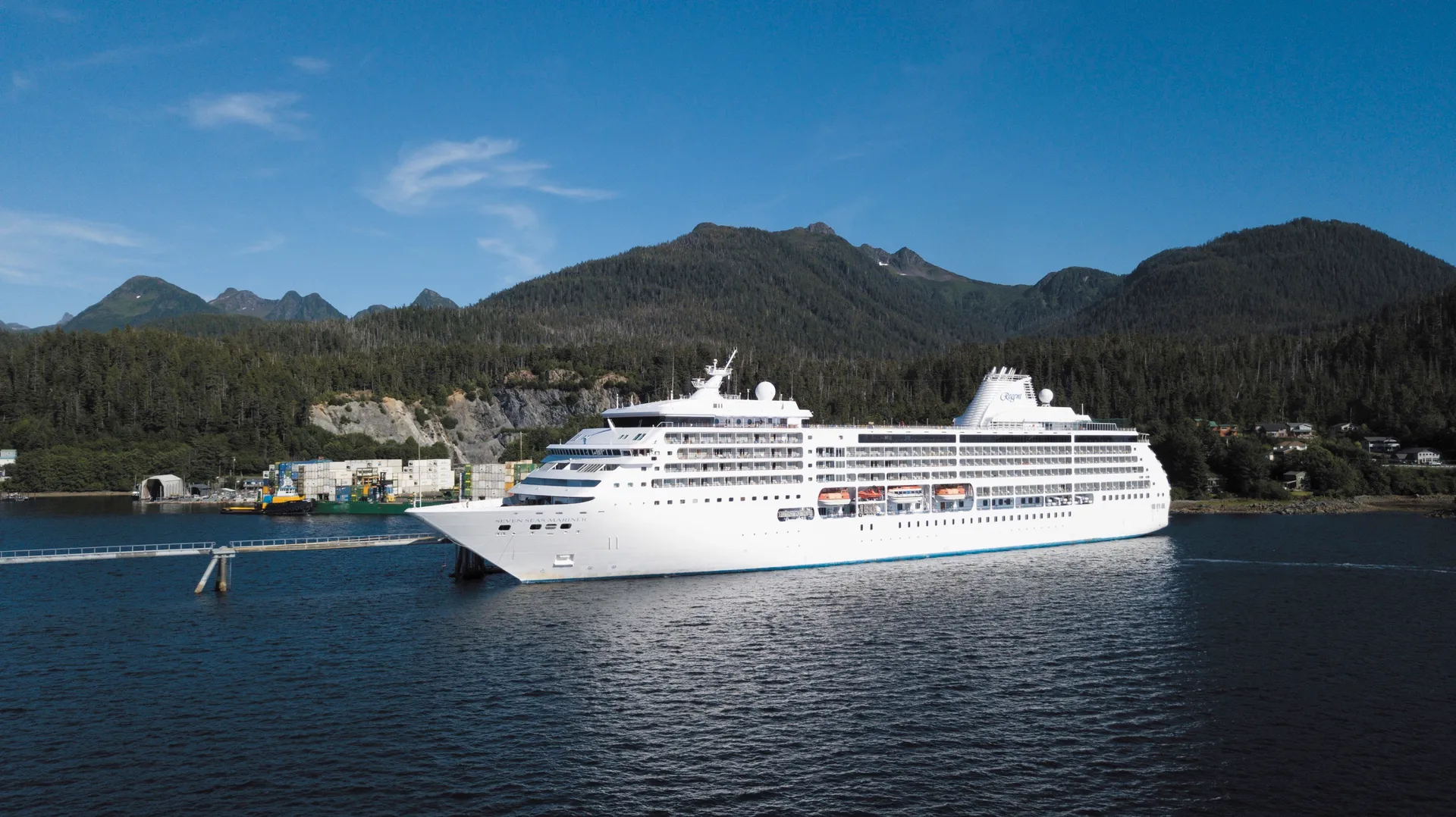
Located along the stern of Seven Seas Mariner, this suite offers a panoramic vista and expansive balcony that is large enough for two cushioned chaises, two chairs and a table. Inside, the bed alcove is separated from a beautifully appointed sitting area by curtains, allowing you to control how much sunlight greets you each morning. You’ll also have a personal butler attending to your needs and a bevy of luxurious amenities.
SUITE SIZE
33.5
M2
BALCONY SIZE
25
M2
LAYOUT
1 Marble Bathroom
Private Balcony
Sitting Area
Maximum of 3 Guests


Spectacular panoramic views will seem to have been created just for you when you relax on your suite’s private balcony. Comfortably located mid-ship, this suite has a spacious separate bedroom with a European king-sized Elite Slumber bed and one-and-a-half baths. This suite features a spacious walk-in closet with drawers as well. To elevate your experience even more, a personal butler will be on call to help make your onboard wishes come true.
SUITE SIZE
60.5
M2
BALCONY SIZE
8.5
M2
LAYOUT
1 1/2 Marble Bathrooms
Private Balcony
Spacious Bedroom
Expansive Living Room
Maximum of 3 Guests


The luxurious suite has been carefully designed to maximize space and comfort. Relax on your private balcony and indulge in your lavish bath amenities as you recharge and ready yourself for new adventures in the next port of call. This suite also includes priority online reservations for shore excursions and dining, and you’re encouraged to call on the services of a personal butler for special requests.
SUITE SIZE
35
M2
BALCONY SIZE
7
M2
LAYOUT
1 Marble Bathroom
Private Balcony
Sitting Area
Maximum of 3 Guests

This suite welcomes you with soothing colors, pleasing artwork and comfortable furnishings. Relax in the sitting area after an exciting day ashore and enjoy the selection of fresh canapés delivered by your personal butler. Then retreat to your private balcony to watch the ever-changing vistas and ponder your next destination. Up to one-and-a-half baths feature fine marble accents and a tub or walk-in shower.
SUITE SIZE
52
M2
BALCONY SIZE
27
M2
LAYOUT
1 1/2 Marble Bathrooms
Private Balcony
Spacious Bedroom
Living Area
Maximum of 3 Guests


This suite welcomes you with soothing colors, pleasing artwork and comfortable furnishings. Relax in the sitting area after an exciting day ashore and enjoy the selection of fresh canapés delivered by your personal butler. Then retreat to your private balcony to watch the ever-changing vistas and ponder your next destination. Up to one-and-a-half baths feature fine marble accents and a tub or walk-in shower.
SUITE SIZE
47
M2
BALCONY SIZE
9
M2
LAYOUT
1 1/2 Marble Bathrooms
Private Balcony
Spacious Bedroom
Living Area
Maximum of 3 Guests


You'll find Park Avenue chic onboard Seven Seas Mariner in this spectacular suite. Elegant rosewood furniture, luxe fabrics and a crystal chandelier create sophisticated comfort, while a personal butler is available to fulfil whatever requests you may have. With two bedrooms, two-and-a-half baths, a large living room and two private balconies, this sublime suite is perfect for hosting new friends in luxury.
SUITE SIZE
112
M2
BALCONY SIZE
74
M2
LAYOUT
2 Private Balconies
2 1/2 Marble Bathrooms
2 Spacious Bedrooms
Expansive Living Room
Maximum of Five Guests
Our cruise specialists can help you find the perfect cabin and the best available pricing.
(+886) 02-2721-7300Contact Advisor