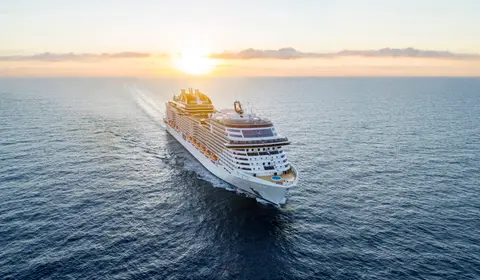
Sud America da Santos
Date
2026-12-29
Duration
7 nights
Departure Port
Puerto del Rosario
Spagna
Arrival Port
Puerto del Rosario
Spagna
Rating
Resort
Theme
—
Date
2026-12-29
Duration
7 nights
Departure Port
Puerto del Rosario
Spagna
Arrival Port
Puerto del Rosario
Spagna
Rating
Resort
Theme
—
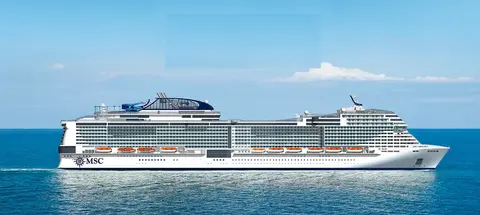
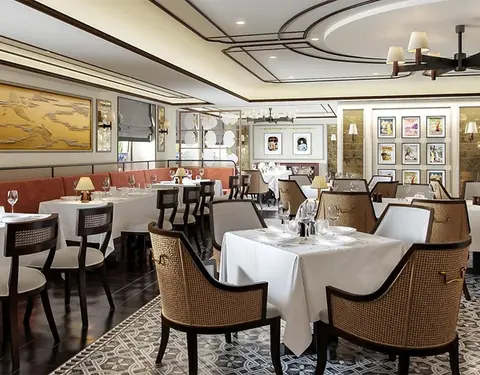
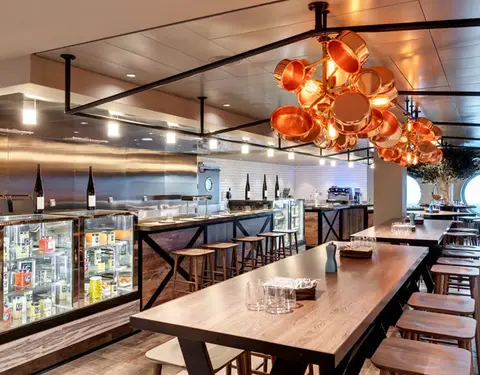
MSC Cruises
2019
—
181,541 GT
6,334
2,421
1,704
1092 m
43 m
22 knots
No
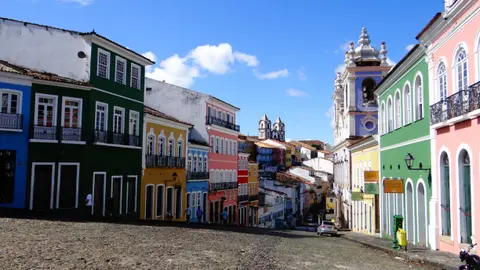
Salvador de Bahia, la prima capitale del Brasile, è un centro culturale noto per il suo patrimonio afro-brasiliano e la sua straordinaria architettura coloniale. Le esperienze da non perdere includono assaporare piatti tradizionali come acarajé e quindim, e esplorare il vivace quartiere di Pelourinho. La stagione migliore per visitare è durante i mesi secchi da settembre a marzo, quando i festival vibranti e la vita di strada della città sono in pieno svolgimento.
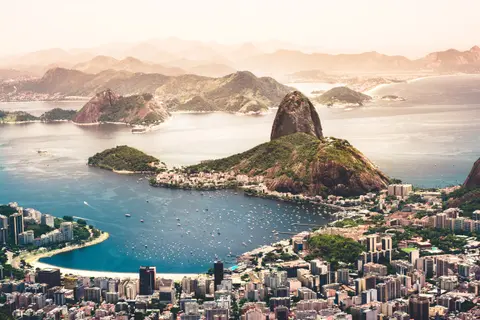
Rio de Janeiro è la spettacolare metropoli costiera del Brasile, dove le cime granitiche si tuffano nelle spiagge atlantiche e la storia imperiale incontra la vibrante cultura afro-brasiliana. I visitatori non dovrebbero perdere la panoramica salita al Pão de Açúcar in funivia e un tradizionale banchetto di feijoada del sabato in un boteco locale. La stagione migliore per le visite in crociera è da ottobre a marzo, quando l'estate dell'emisfero australe porta temperature calde e la città pulsa di energia pre-Carnival, anche se i mesi di transizione di settembre e aprile offrono un clima piacevole con folle più ridotte.
Copacabana is dominated to the east by Sugar Loaf Mountain and circled by a line of hills that stretch out into the bay as you’ll see when you’re cruising the Atlantic Ocean with MSC Cruises. The town’s expansion as a residential area has been restricted by the Morro de São João, which separates it from Botafogo, and the Morro dos Cabritos, a natural barrier to the west. Consequently, Copacabana is one of the world’s most densely populated areas as well as a frenzy of sensual activity. Of course, Copacabana hasn’t always been as it is today, and traces remain of the former fishing community that dominated the area until the first decades of the twentieth century. Each morning before dawn, the boats of the colônia de pescadores (the descendants of the fishermen) set sail from the Forte de Copacabana, returning to the beach by 8am to sell their fish from stalls at the southern end of the beach. Rio’s sophisticated beach culture is entirely a product of the twentieth century. The 1930s saw the city’s international reputation emerge and “flying down to Rio” became an enduring cliché, celebrated in music, film and literature. Nonetheless, Rio’s beaches are first and foremost the preserve of cariocas: rich or poor, young or old, everybody descends on the beaches throughout the week, treating them as city parks. Copacabana is amazing, the over-the-top atmosphere apparent even in the mosaic pavements, designed by Burle Marx to represent images of rolling waves. The seafront is backed by a line of prestigious, high-rise hotels and luxury apartments that have sprung up since the 1940s. Some fine examples of Art Deco architecture are scattered around the bairro.
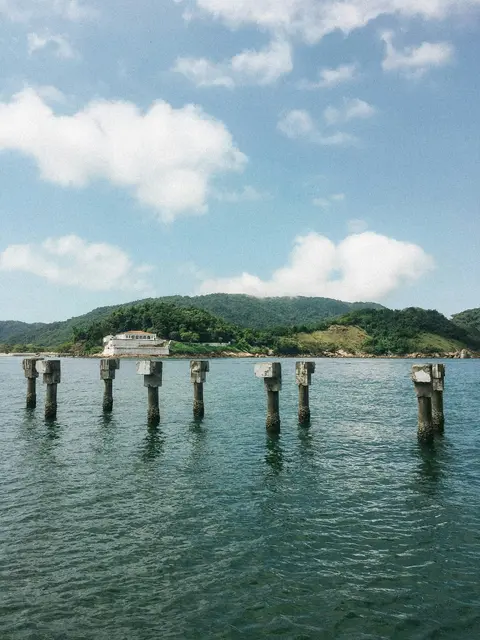
Santos è il porto più grande del Brasile e un gioiello storico, che offre un mix di architettura coloniale e cultura locale vibrante. Le esperienze imperdibili includono la degustazione di specialità locali come il “pastel de camarão” al Mercado Municipal e l'esplorazione delle vicine spiagge di Búzios. La stagione migliore per visitare è durante l'estate dell'emisfero australe, da dicembre a febbraio, quando il clima è caldo e le spiagge sono affollate.
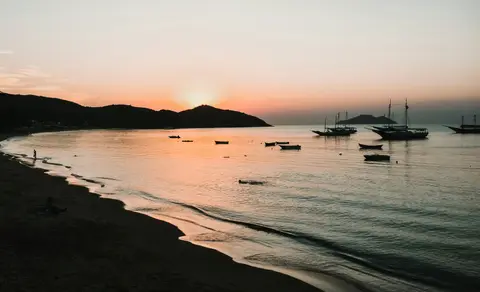
Armação dos Búzios, una splendida città turistica in Brasile, è celebrata per le sue belle spiagge, l'affascinante architettura coloniale e l'atmosfera vivace, rendendola una tappa imperdibile. I visitatori non dovrebbero perdere l'occasione di gustare le specialità locali come moqueca e pastel de camarão mentre esplorano i mercati vivaci. Il periodo migliore per visitare è durante l'estate brasiliana, da dicembre a marzo, quando il clima è perfetto per le attività balneari.
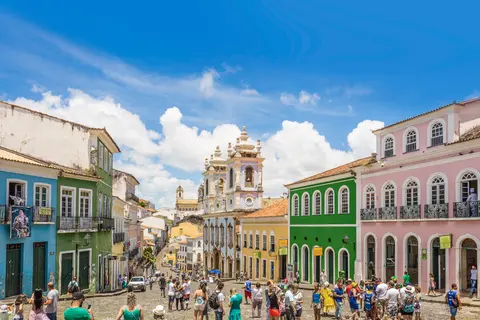
Salvador de Bahia, la prima capitale del Brasile, è un centro culturale noto per il suo patrimonio afro-brasiliano e la sua straordinaria architettura coloniale. Le esperienze da non perdere includono assaporare piatti tradizionali come acarajé e quindim, e esplorare il vivace quartiere di Pelourinho. La stagione migliore per visitare è durante i mesi secchi da settembre a marzo, quando i festival vibranti e la vita di strada della città sono in pieno svolgimento.
Day 1
Salvador de Bahia, la prima capitale del Brasile, è un centro culturale noto per il suo patrimonio afro-brasiliano e la sua straordinaria architettura coloniale. Le esperienze da non perdere includono assaporare piatti tradizionali come acarajé e quindim, e esplorare il vivace quartiere di Pelourinho. La stagione migliore per visitare è durante i mesi secchi da settembre a marzo, quando i festival vibranti e la vita di strada della città sono in pieno svolgimento.
Day 2
Day 3
Rio de Janeiro è la spettacolare metropoli costiera del Brasile, dove le cime granitiche si tuffano nelle spiagge atlantiche e la storia imperiale incontra la vibrante cultura afro-brasiliana. I visitatori non dovrebbero perdere la panoramica salita al Pão de Açúcar in funivia e un tradizionale banchetto di feijoada del sabato in un boteco locale. La stagione migliore per le visite in crociera è da ottobre a marzo, quando l'estate dell'emisfero australe porta temperature calde e la città pulsa di energia pre-Carnival, anche se i mesi di transizione di settembre e aprile offrono un clima piacevole con folle più ridotte.
Day 4
Copacabana is dominated to the east by Sugar Loaf Mountain and circled by a line of hills that stretch out into the bay as you’ll see when you’re cruising the Atlantic Ocean with MSC Cruises. The town’s expansion as a residential area has been restricted by the Morro de São João, which separates it from Botafogo, and the Morro dos Cabritos, a natural barrier to the west. Consequently, Copacabana is one of the world’s most densely populated areas as well as a frenzy of sensual activity. Of course, Copacabana hasn’t always been as it is today, and traces remain of the former fishing community that dominated the area until the first decades of the twentieth century. Each morning before dawn, the boats of the colônia de pescadores (the descendants of the fishermen) set sail from the Forte de Copacabana, returning to the beach by 8am to sell their fish from stalls at the southern end of the beach. Rio’s sophisticated beach culture is entirely a product of the twentieth century. The 1930s saw the city’s international reputation emerge and “flying down to Rio” became an enduring cliché, celebrated in music, film and literature. Nonetheless, Rio’s beaches are first and foremost the preserve of cariocas: rich or poor, young or old, everybody descends on the beaches throughout the week, treating them as city parks. Copacabana is amazing, the over-the-top atmosphere apparent even in the mosaic pavements, designed by Burle Marx to represent images of rolling waves. The seafront is backed by a line of prestigious, high-rise hotels and luxury apartments that have sprung up since the 1940s. Some fine examples of Art Deco architecture are scattered around the bairro.
Day 5
Santos è il porto più grande del Brasile e un gioiello storico, che offre un mix di architettura coloniale e cultura locale vibrante. Le esperienze imperdibili includono la degustazione di specialità locali come il “pastel de camarão” al Mercado Municipal e l'esplorazione delle vicine spiagge di Búzios. La stagione migliore per visitare è durante l'estate dell'emisfero australe, da dicembre a febbraio, quando il clima è caldo e le spiagge sono affollate.
Day 6
Armação dos Búzios, una splendida città turistica in Brasile, è celebrata per le sue belle spiagge, l'affascinante architettura coloniale e l'atmosfera vivace, rendendola una tappa imperdibile. I visitatori non dovrebbero perdere l'occasione di gustare le specialità locali come moqueca e pastel de camarão mentre esplorano i mercati vivaci. Il periodo migliore per visitare è durante l'estate brasiliana, da dicembre a marzo, quando il clima è perfetto per le attività balneari.
Day 7
Day 8
Salvador de Bahia, la prima capitale del Brasile, è un centro culturale noto per il suo patrimonio afro-brasiliano e la sua straordinaria architettura coloniale. Le esperienze da non perdere includono assaporare piatti tradizionali come acarajé e quindim, e esplorare il vivace quartiere di Pelourinho. La stagione migliore per visitare è durante i mesi secchi da settembre a marzo, quando i festival vibranti e la vita di strada della città sono in pieno svolgimento.
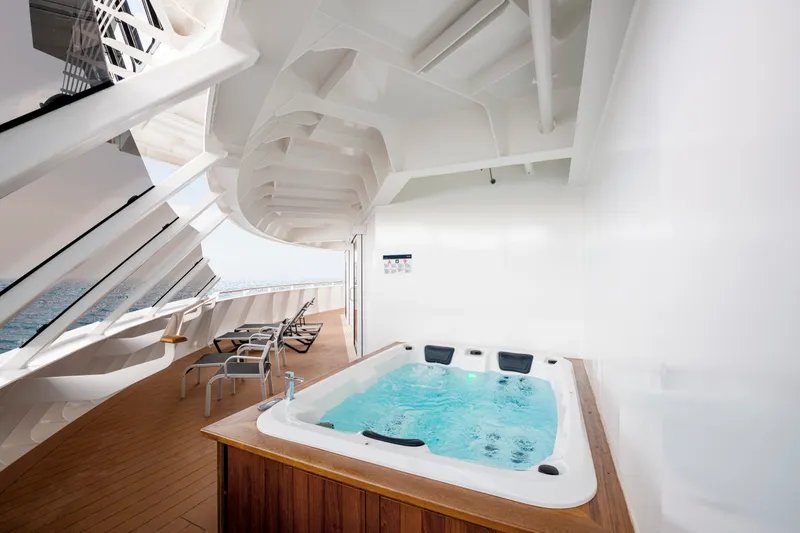
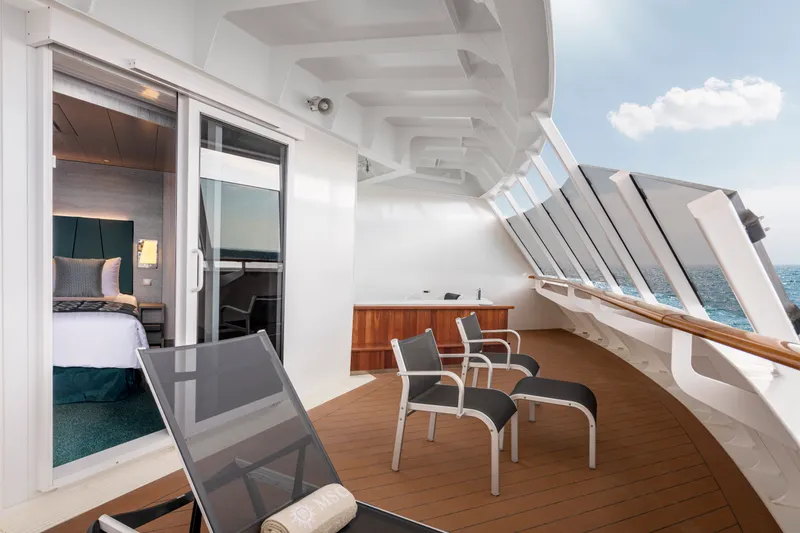
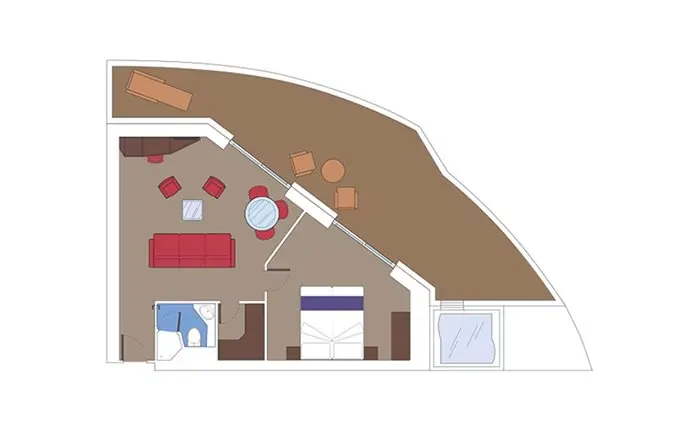

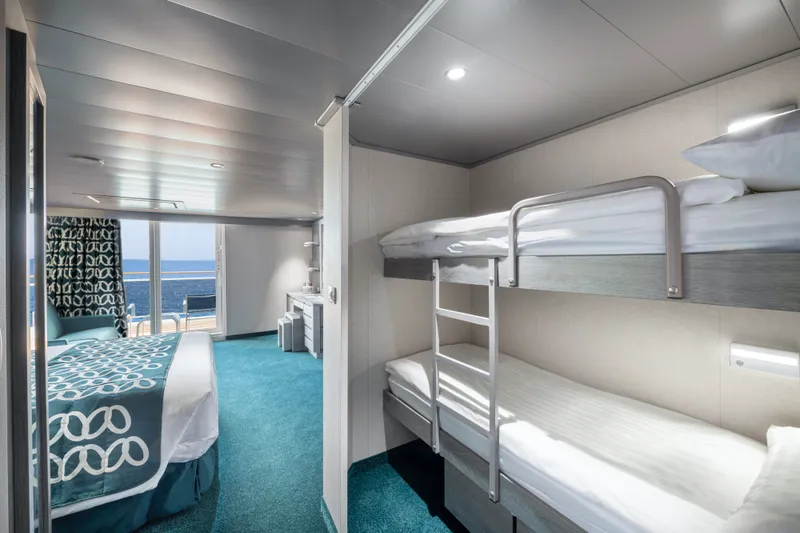
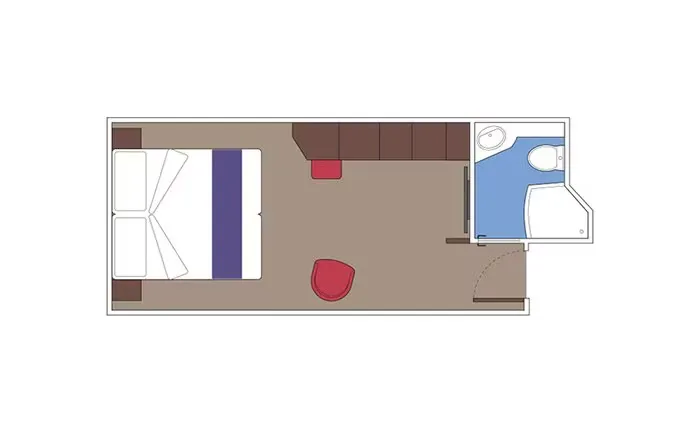
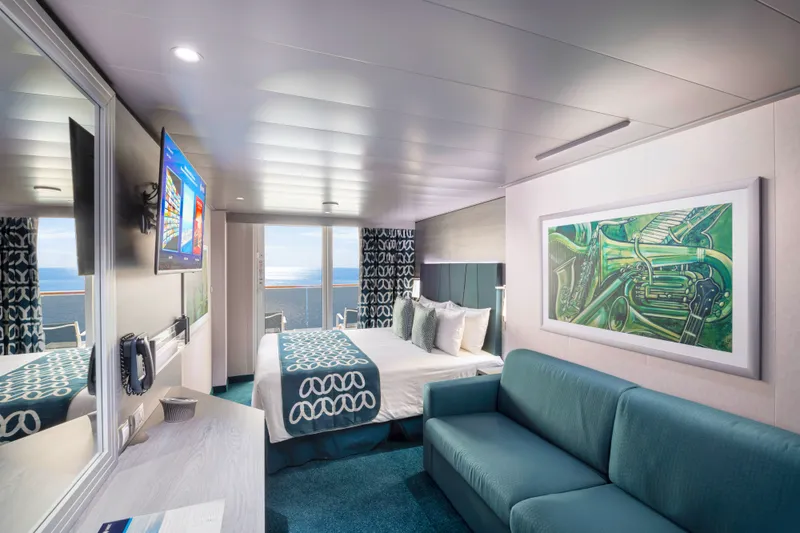
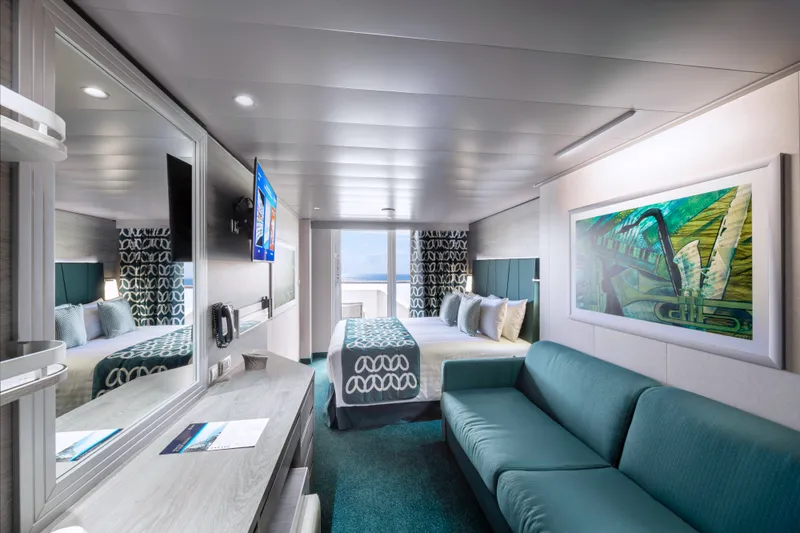
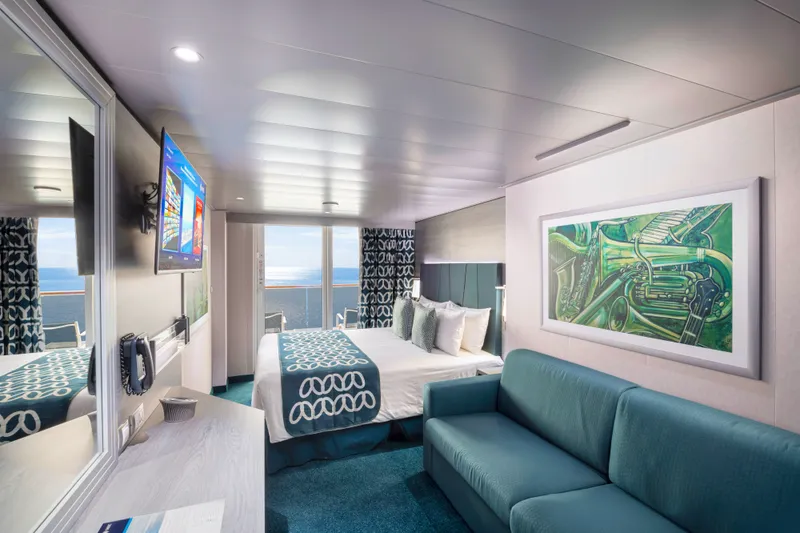
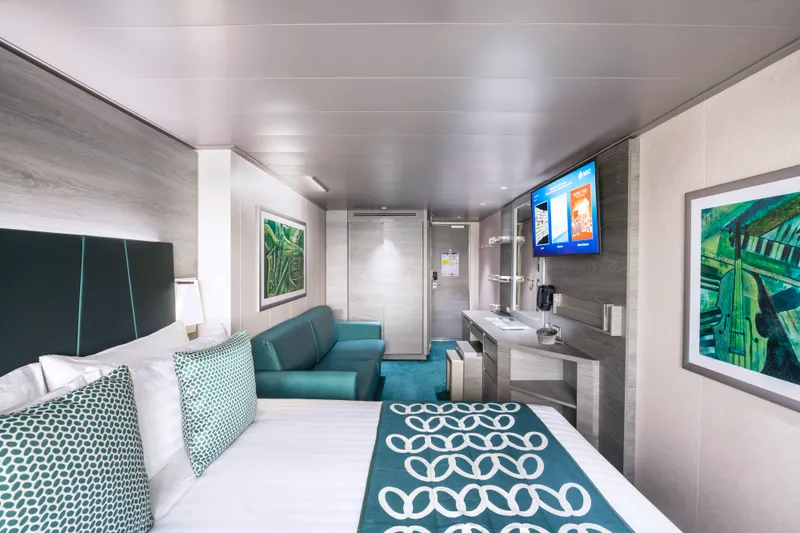
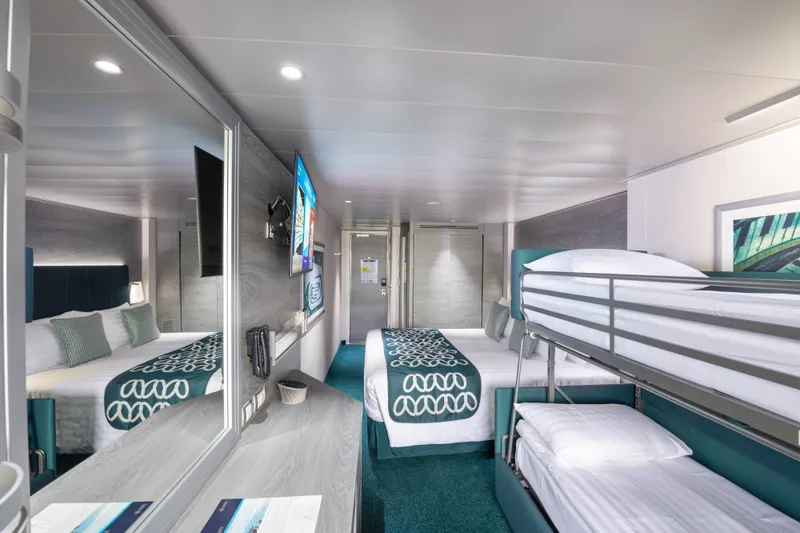
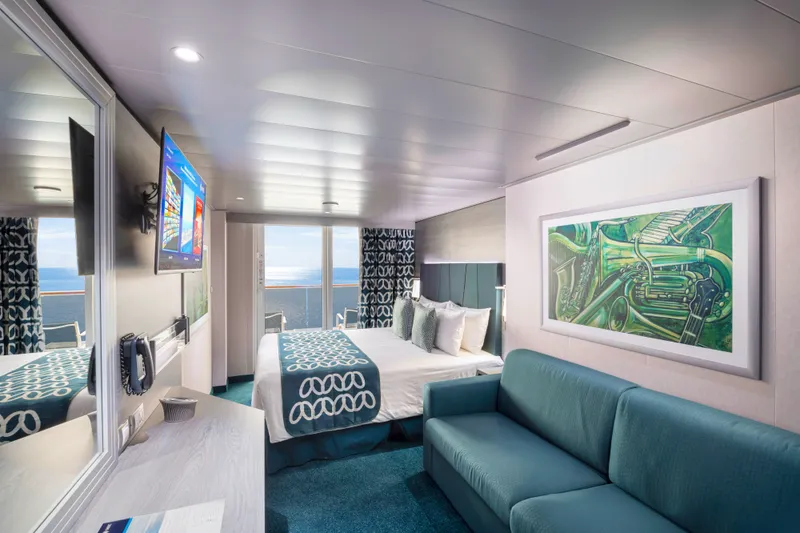
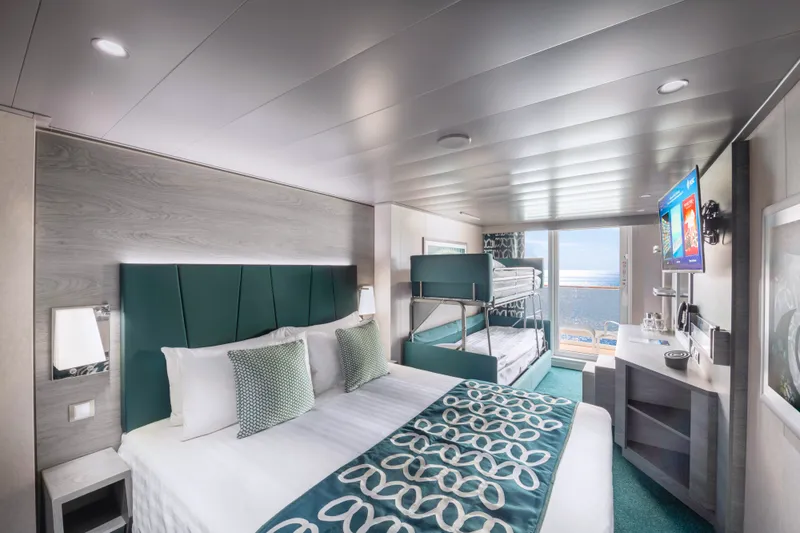
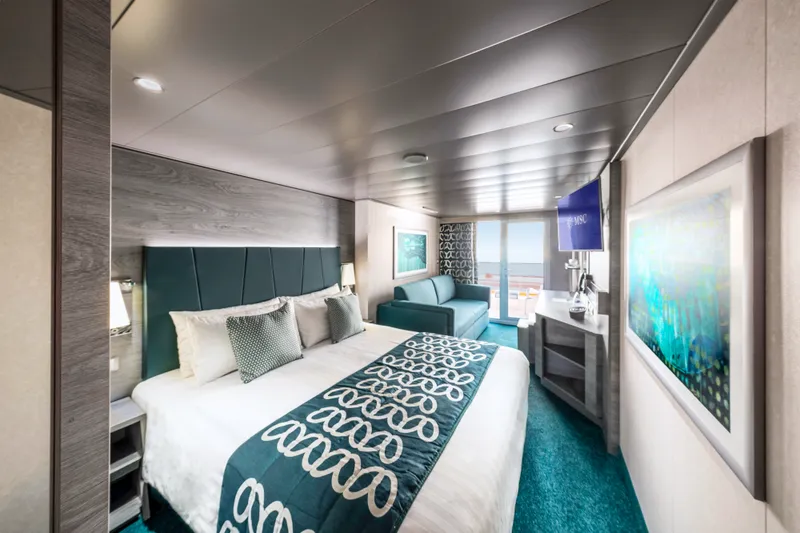
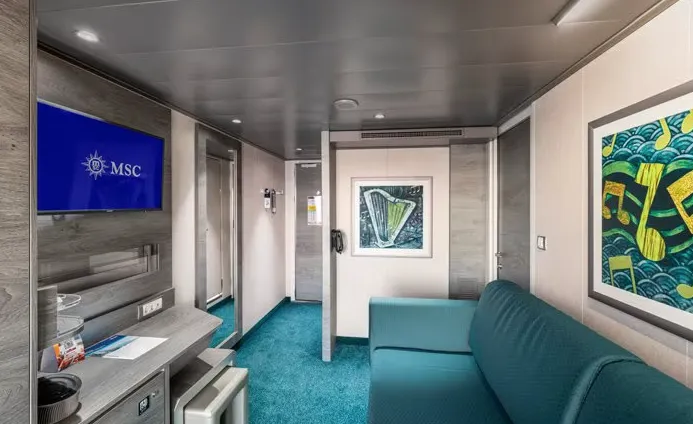
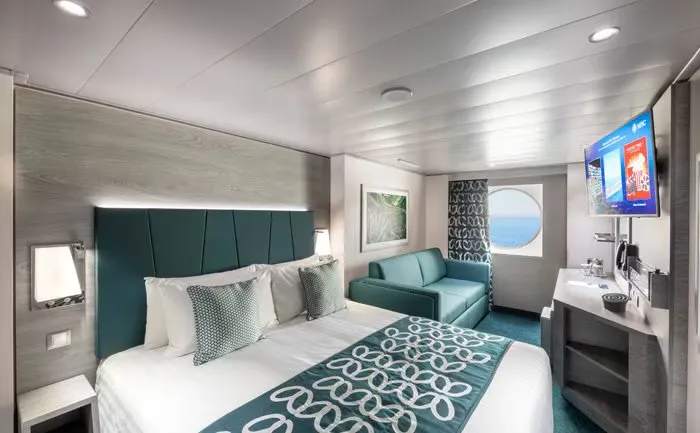
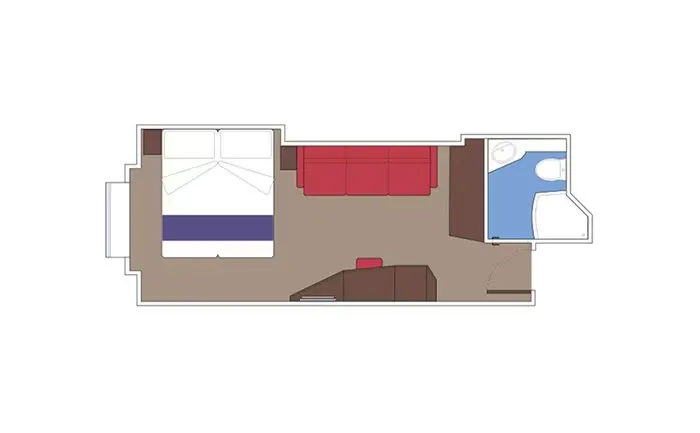
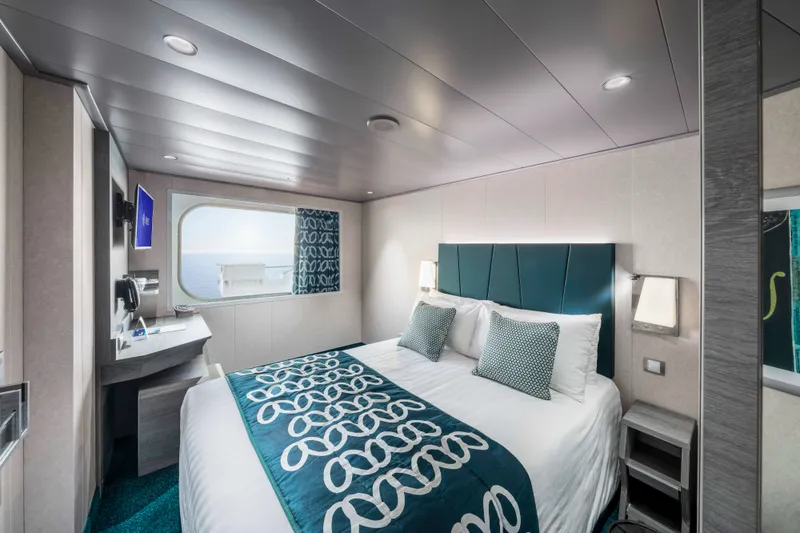
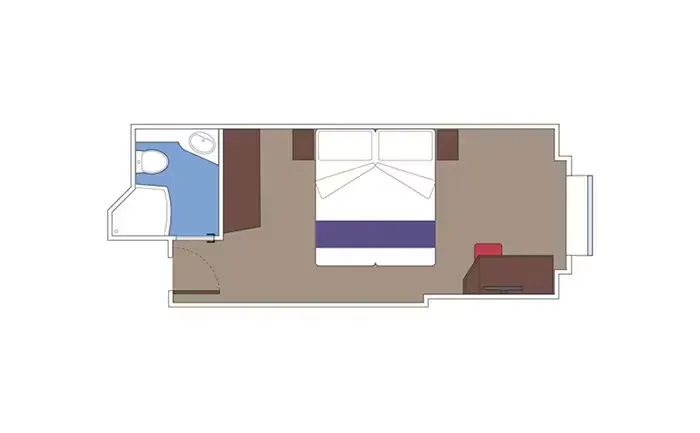
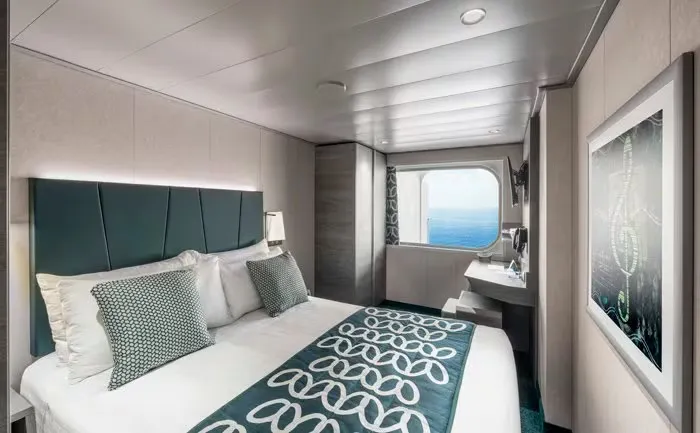
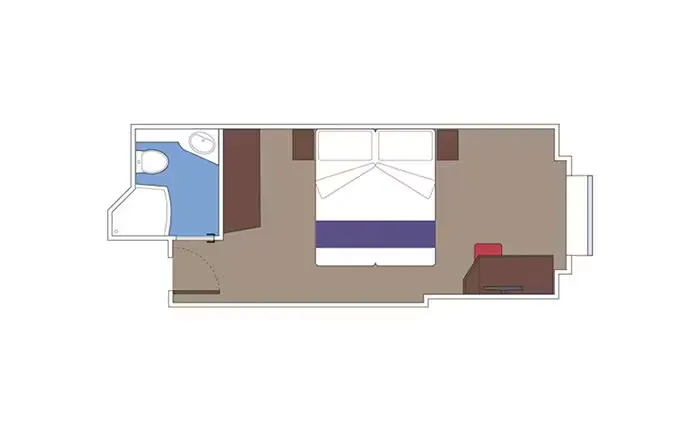
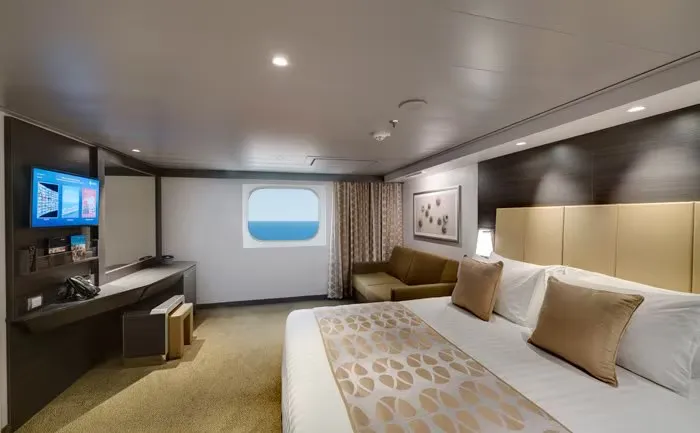
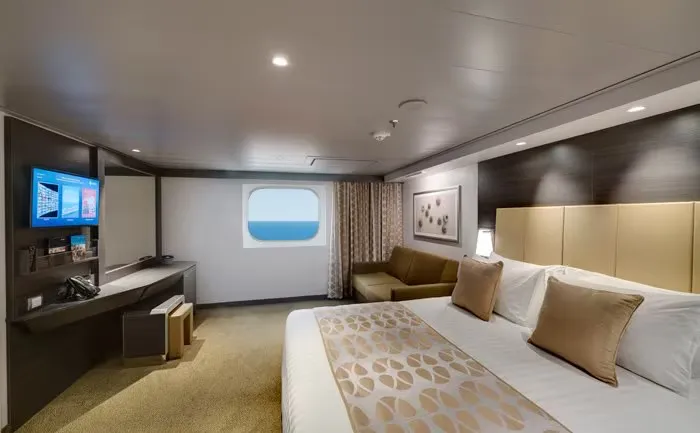
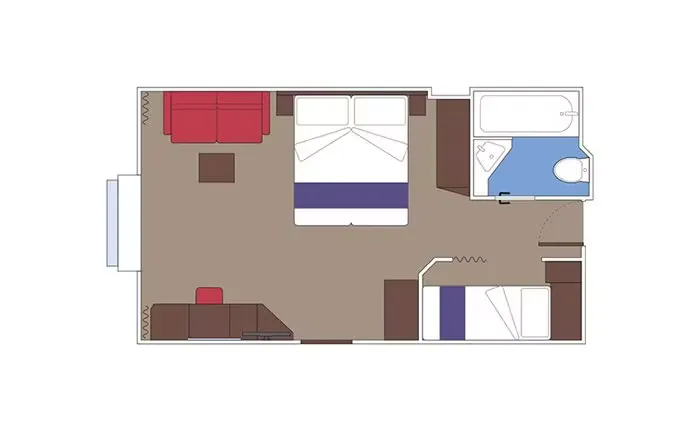
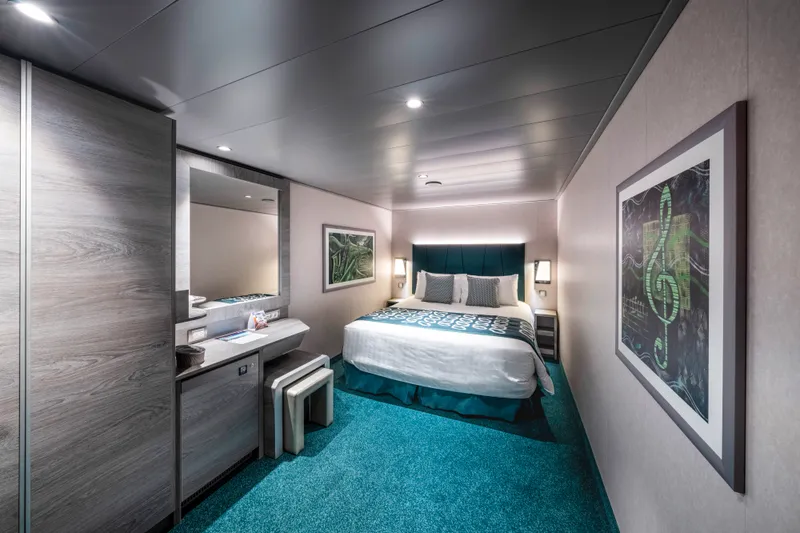
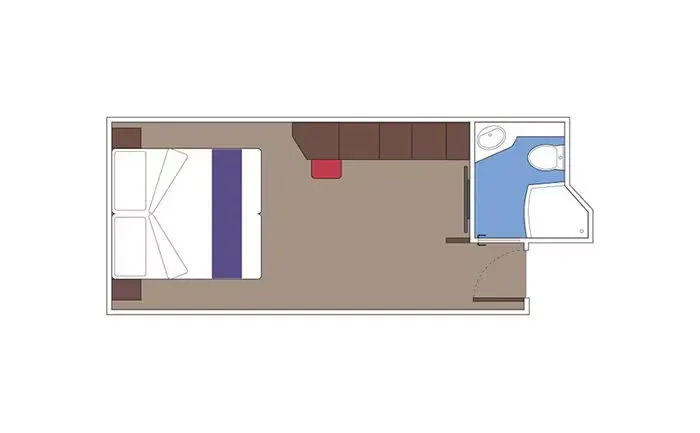
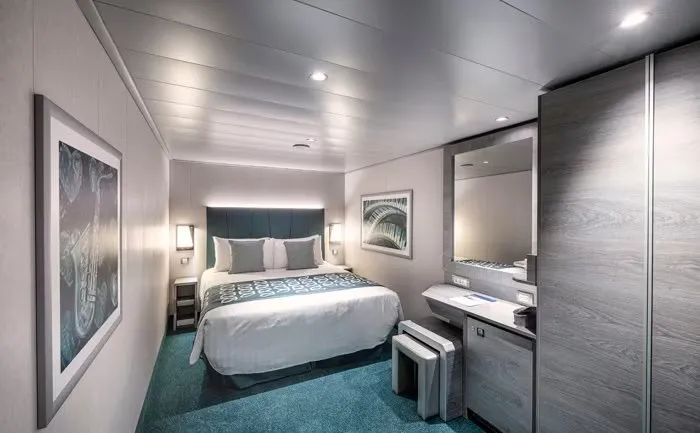
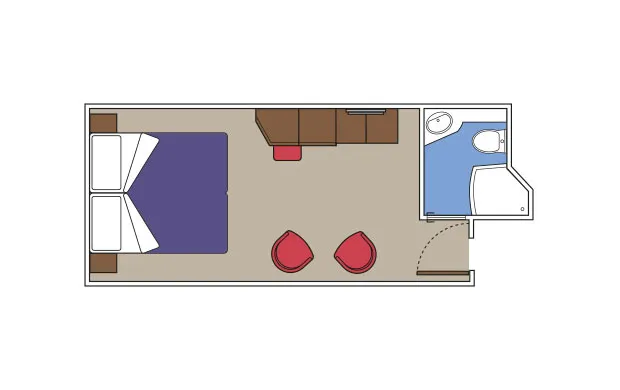
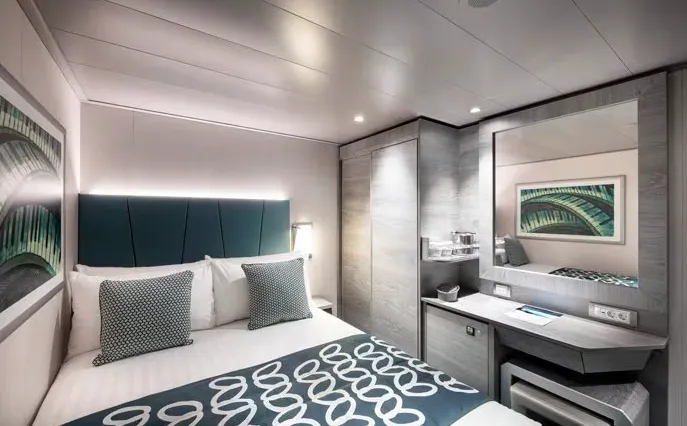
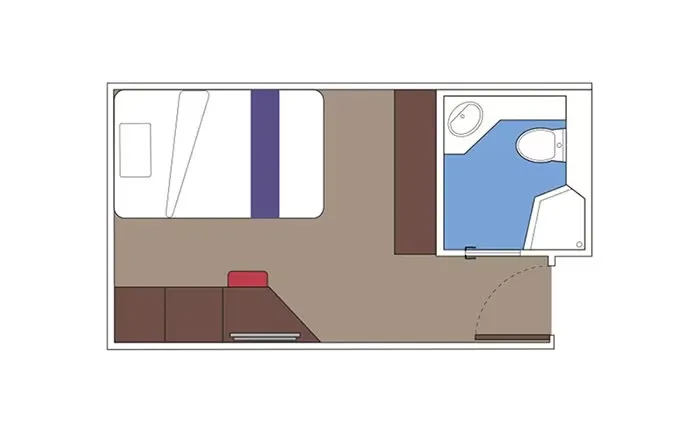
Our cruise specialists can help you find the perfect cabin and the best available pricing.
(+886) 02-2721-7300Contact Advisor