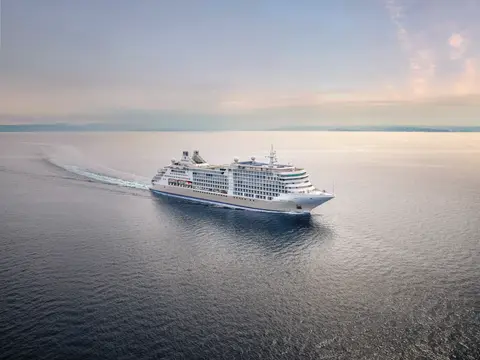
SilverseaMO260813007
Z Vancouver do Seward
Date
2026-08-13
Duration
7 nights
Departure Port
Vancouver
Kanada
Arrival Port
Seward
Stany Zjednoczone
Rating
Ultra Luxury
Theme
—
Date
2026-08-13
Duration
7 nights
Departure Port
Vancouver
Kanada
Arrival Port
Seward
Stany Zjednoczone
Rating
Ultra Luxury
Theme
—

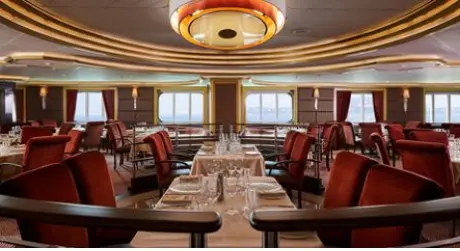




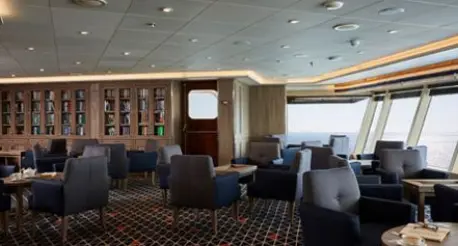
Silversea
2020
—
40,700 GT
691
288
408
699 m
26 m
20 knots
No
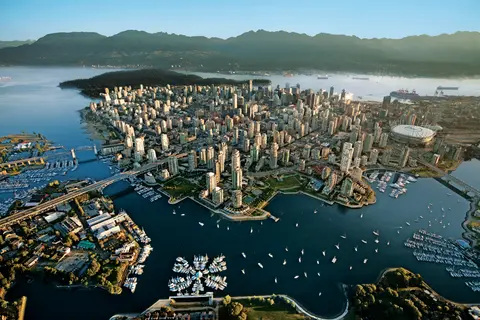
Wciśnięte między Pacyfik a Góry Nadbrzeżne, Vancouver jest naturalną bramą do Inside Passage Alaski — miastem, gdzie umiarkowany las deszczowy spotyka szklane wieżowce, a krab Dungeness i dziki łosoś sockeye definiują kuchnię Pacyfiku, która rywalizuje z każdą w Ameryce Północnej. Przechadzaj się wzdłuż 22-kilometrowego nabrzeża Stanley Park, zagub się na rynku Granville Island, a następnie przepraw się promem do edwardiańskiego splendoru Victorii. Sezon rejsów na Alaskę osiąga szczyt od maja do września, co czyni Vancouver idealnym punktem wyjścia dla jednej z wielkich oceanicznych podróży świata.
Navigate through the intricate outlays of some of Alaska’s most staggering winter scenery, threading a needle between craggy, snow-dusted islands, and slipping glacial giants. To cruise this 500-mile stretch of Alaskan beauty is to sail through a living work of natural art - with perfectly sculpted mountains soaring from the shoreline, and clutches of islands scattered across the dark waters with delicate attention to detail. A common sailing route due to its calm sheltered waters, gorgeous natural set pieces constantly play out here - whether it’s killer whales accompanying you through the breathtaking icy passages, harbour seals catching a break on floating hunks of ice, or wisps of cloud clinging to distant mountain peaks. Witness Mother Nature at her most dramatic and elaborate along this Alaskan coastline, where glaciers groan and creak melodramatically, before finally releasing colossal shelves of ice, allowing them to free fall into the waters below, and explode with angry booms and thunderous splashes. While fundamental displays of nature’s power always awe and amaze, it’s the tranquil beauty of this passage - amid still waters, splitting only to reveal the smooth backs of breaching humpback whales – that is relentlessly moving. A journey of glaciers, remote hidden villages, and carved fjords - the Inside Passage is a breathtaking voyage through the intricate mesh of Alaska’s fractured, raw and spectacular coastal landscapes.
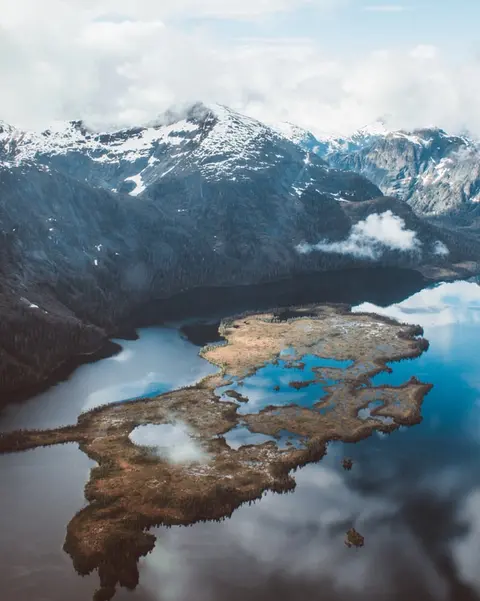
Ketchikan przylega do zaleszonego wybrzeża wyspy Revillagigedo w południowo-wschodniej Alaskę — miasto tak wąskie, że mieszkańcy żartują, że ma trzy mile długości i trzy ulice szerokości. Od wieków czczone przez lud Tlingit jako miejsce obfitości łososia, dziś jest znane jako Stolica Totemów Świata: zbiory w Saxman Native Village i Totem Bight State Historical Park zachowują największe skupisko tych monumentalnych dzieł sztuki na świecie. Creek Street, deptak z kolorowymi historycznymi domami zbudowanymi nad Ketchikan Creek, nie może zostać pominięty. Lato (maj–wrzesień) przynosi najlepszą pogodę, a łososie płyną w strumieniach poniżej.
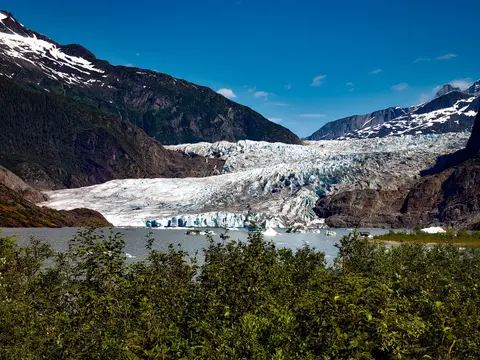
Juneau, jedyna stolica stanowa w Ameryce, do której nie można dotrzeć drogą, nagradza podróż dziką wspaniałością, której niewiele miast na Ziemi może dorównać. Lodowiec Mendenhall — żywa rzeka starożytnego lodu — znajduje się zaledwie piętnaście minut od centrum, gdzie samoloty wodne przelatują nad nabrzeżem otoczonym górami pokrytymi świerkami, które opadają prosto do morza. Niezapomnianym doświadczeniem jest lądowanie helikopterem na polu lodowym lub wycieczka do obserwacji wielorybów w Cieśninie Stephens, gdzie humbaki wyskakują w zdumiewającej bliskości. Juneau jest najcieplejsze od czerwca do sierpnia, chociaż nawet letnie dni mogą przynieść słynny deszcz Południowo-Wschodniej Alaski, który sprawia, że las deszczowy jest wiecznie lśniący.
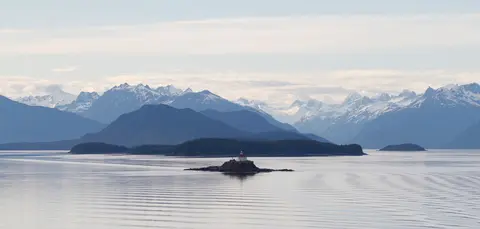
Skagway, usytuowane na północnym końcu kanału Lynn w Alaskę, to miasto czasów gorączki złota, które czas niemal doskonale zachował — graniczna ulica główna z fałszywymi fasadami saloonów i wiktoriańskich sklepów, obecnie chroniona jako Narodowy Park Historyczny. Legendarny kolejowy szlak White Pass & Yukon Route, ukończony w 1900 roku, aby zaopatrzyć pola złota Klondike, wciąż wspina się po stromej przełęczy w zabytkowych wagonach, oferując jedne z najbardziej dramatycznych górskich krajobrazów w Ameryce Północnej. Czekają na bardziej odważnych trekkingi po lodowcach i wycieczki helikopterowe nad polem lodowym Juneau. Od maja do września przynosi długie arktyczne dni i najbardziej niezawodny dostęp.
Sitka began as a major Tlingit Indian village and was called “Shee Atika,” which translates roughly as “settlement on the outside of Shee.” “Shee” is the Tlingit name of Baranof Island. In 1799, Alexander Baranof, the general manager of the Russian American Company, decided to move his base of operations from Kodiak and set up camp at what is now called Old Sitka, 7.5 miles north of the present-day town. He called the settlement St. Archangel Michael. The Tlingit Indians of the area resisted the occupation and, in 1802, with Baranof away, burned the fort and massacred the Russian settlers. Two years later, Baranof returned and besieged the Indian fort. The Tlingits withdrew and the area was once again in Russian hands. This time, the Russians built the new city on a different site and called it New Archangel. For over six decades, New Archangel was the capital of the Russian empire in Alaska. By 1867, the Alaska colony had become too much of a financial burden to Russia. William Seward, U.S. Secretary of State, negotiated with the Russian Czar to purchase the Territory of Alaska for $7.2 million. The American press scoffed at Seward and the U.S. government for purchasing what they called “Seward's Folly,” “Seward's Icebox,” and “Walrussia.” On October 18, 1867, the Russian flag was lowered at New Archangel and the Stars and Stripes were raised over newly renamed Sitka. The name comes from the Tlingit word “Sheetkah,” which means “in this place.” All Russian citizens living in the former colony were given the opportunity to become American citizens. Many went home, although a few stayed or migrated to California. Sitka remained the capital of the Territory of Alaska from 1867 to 1906, when it was moved to Juneau. The move was a direct result of the gold rush. In plain terms, Sitka did not have any and Juneau did. After the Japanese attack on Pearl Harbor, Sitka became a full-scale naval base. At one time during the war, Sitka had a total population of 37,000. With the end of World War II, however, the city settled into a quieter existence. The biggest boom in modern days for Sitka came in 1959 when the Alaska Lumber and Pulp Company built a pulp mill at Silver Bay, near the city. Today, picturesque Sitka is known for its fishing and of course its many historic attractions.
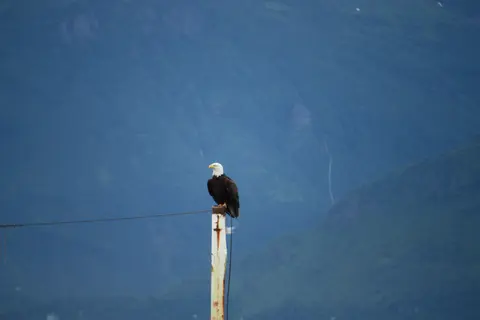
Valdez leży u wylotu fjordu w Prince William Sound, otoczone górami Chugach i lodowcami przypływowymi, co czyni go jednym z najbardziej malowniczych portów Alaski. Niezbędne doświadczenia obejmują rejs do lodowca Columbia, spacer do lodowca Worthington oraz degustację świeżo złowionego halibuta w restauracjach nad brzegiem portu. Od maja do września to sezon, z lipcem i sierpniem przynoszącymi łowiska łososia i najcieplejszą pogodę.
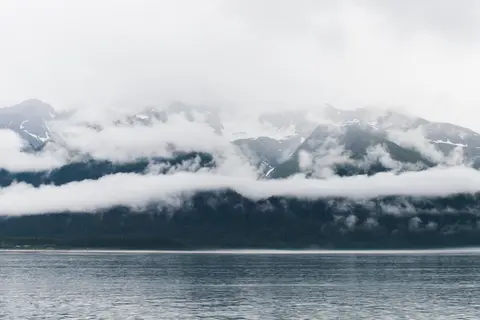
Seward, Alaska, to fascynujący port znany z oszałamiających krajobrazów i bogatej historii jako miasto zaopatrzeniowe podczas gorączki złota. Niezbędne doświadczenia to odwiedzenie Parku Narodowego Kenai Fjords oraz degustacja lokalnych przysmaków, takich jak tacos z halibuta i akutaq. Najlepszy czas na wizytę to miesiące letnie, kiedy naturalne piękno osiąga szczyt, a aktywności na świeżym powietrzu są w obfitości.
Day 1
Wciśnięte między Pacyfik a Góry Nadbrzeżne, Vancouver jest naturalną bramą do Inside Passage Alaski — miastem, gdzie umiarkowany las deszczowy spotyka szklane wieżowce, a krab Dungeness i dziki łosoś sockeye definiują kuchnię Pacyfiku, która rywalizuje z każdą w Ameryce Północnej. Przechadzaj się wzdłuż 22-kilometrowego nabrzeża Stanley Park, zagub się na rynku Granville Island, a następnie przepraw się promem do edwardiańskiego splendoru Victorii. Sezon rejsów na Alaskę osiąga szczyt od maja do września, co czyni Vancouver idealnym punktem wyjścia dla jednej z wielkich oceanicznych podróży świata.
Day 2
Navigate through the intricate outlays of some of Alaska’s most staggering winter scenery, threading a needle between craggy, snow-dusted islands, and slipping glacial giants. To cruise this 500-mile stretch of Alaskan beauty is to sail through a living work of natural art - with perfectly sculpted mountains soaring from the shoreline, and clutches of islands scattered across the dark waters with delicate attention to detail. A common sailing route due to its calm sheltered waters, gorgeous natural set pieces constantly play out here - whether it’s killer whales accompanying you through the breathtaking icy passages, harbour seals catching a break on floating hunks of ice, or wisps of cloud clinging to distant mountain peaks. Witness Mother Nature at her most dramatic and elaborate along this Alaskan coastline, where glaciers groan and creak melodramatically, before finally releasing colossal shelves of ice, allowing them to free fall into the waters below, and explode with angry booms and thunderous splashes. While fundamental displays of nature’s power always awe and amaze, it’s the tranquil beauty of this passage - amid still waters, splitting only to reveal the smooth backs of breaching humpback whales – that is relentlessly moving. A journey of glaciers, remote hidden villages, and carved fjords - the Inside Passage is a breathtaking voyage through the intricate mesh of Alaska’s fractured, raw and spectacular coastal landscapes.
Day 3
Ketchikan przylega do zaleszonego wybrzeża wyspy Revillagigedo w południowo-wschodniej Alaskę — miasto tak wąskie, że mieszkańcy żartują, że ma trzy mile długości i trzy ulice szerokości. Od wieków czczone przez lud Tlingit jako miejsce obfitości łososia, dziś jest znane jako Stolica Totemów Świata: zbiory w Saxman Native Village i Totem Bight State Historical Park zachowują największe skupisko tych monumentalnych dzieł sztuki na świecie. Creek Street, deptak z kolorowymi historycznymi domami zbudowanymi nad Ketchikan Creek, nie może zostać pominięty. Lato (maj–wrzesień) przynosi najlepszą pogodę, a łososie płyną w strumieniach poniżej.
Day 4
Juneau, jedyna stolica stanowa w Ameryce, do której nie można dotrzeć drogą, nagradza podróż dziką wspaniałością, której niewiele miast na Ziemi może dorównać. Lodowiec Mendenhall — żywa rzeka starożytnego lodu — znajduje się zaledwie piętnaście minut od centrum, gdzie samoloty wodne przelatują nad nabrzeżem otoczonym górami pokrytymi świerkami, które opadają prosto do morza. Niezapomnianym doświadczeniem jest lądowanie helikopterem na polu lodowym lub wycieczka do obserwacji wielorybów w Cieśninie Stephens, gdzie humbaki wyskakują w zdumiewającej bliskości. Juneau jest najcieplejsze od czerwca do sierpnia, chociaż nawet letnie dni mogą przynieść słynny deszcz Południowo-Wschodniej Alaski, który sprawia, że las deszczowy jest wiecznie lśniący.
Day 5
Skagway, usytuowane na północnym końcu kanału Lynn w Alaskę, to miasto czasów gorączki złota, które czas niemal doskonale zachował — graniczna ulica główna z fałszywymi fasadami saloonów i wiktoriańskich sklepów, obecnie chroniona jako Narodowy Park Historyczny. Legendarny kolejowy szlak White Pass & Yukon Route, ukończony w 1900 roku, aby zaopatrzyć pola złota Klondike, wciąż wspina się po stromej przełęczy w zabytkowych wagonach, oferując jedne z najbardziej dramatycznych górskich krajobrazów w Ameryce Północnej. Czekają na bardziej odważnych trekkingi po lodowcach i wycieczki helikopterowe nad polem lodowym Juneau. Od maja do września przynosi długie arktyczne dni i najbardziej niezawodny dostęp.
Day 6
Sitka began as a major Tlingit Indian village and was called “Shee Atika,” which translates roughly as “settlement on the outside of Shee.” “Shee” is the Tlingit name of Baranof Island. In 1799, Alexander Baranof, the general manager of the Russian American Company, decided to move his base of operations from Kodiak and set up camp at what is now called Old Sitka, 7.5 miles north of the present-day town. He called the settlement St. Archangel Michael. The Tlingit Indians of the area resisted the occupation and, in 1802, with Baranof away, burned the fort and massacred the Russian settlers. Two years later, Baranof returned and besieged the Indian fort. The Tlingits withdrew and the area was once again in Russian hands. This time, the Russians built the new city on a different site and called it New Archangel. For over six decades, New Archangel was the capital of the Russian empire in Alaska. By 1867, the Alaska colony had become too much of a financial burden to Russia. William Seward, U.S. Secretary of State, negotiated with the Russian Czar to purchase the Territory of Alaska for $7.2 million. The American press scoffed at Seward and the U.S. government for purchasing what they called “Seward's Folly,” “Seward's Icebox,” and “Walrussia.” On October 18, 1867, the Russian flag was lowered at New Archangel and the Stars and Stripes were raised over newly renamed Sitka. The name comes from the Tlingit word “Sheetkah,” which means “in this place.” All Russian citizens living in the former colony were given the opportunity to become American citizens. Many went home, although a few stayed or migrated to California. Sitka remained the capital of the Territory of Alaska from 1867 to 1906, when it was moved to Juneau. The move was a direct result of the gold rush. In plain terms, Sitka did not have any and Juneau did. After the Japanese attack on Pearl Harbor, Sitka became a full-scale naval base. At one time during the war, Sitka had a total population of 37,000. With the end of World War II, however, the city settled into a quieter existence. The biggest boom in modern days for Sitka came in 1959 when the Alaska Lumber and Pulp Company built a pulp mill at Silver Bay, near the city. Today, picturesque Sitka is known for its fishing and of course its many historic attractions.
Day 7
Valdez leży u wylotu fjordu w Prince William Sound, otoczone górami Chugach i lodowcami przypływowymi, co czyni go jednym z najbardziej malowniczych portów Alaski. Niezbędne doświadczenia obejmują rejs do lodowca Columbia, spacer do lodowca Worthington oraz degustację świeżo złowionego halibuta w restauracjach nad brzegiem portu. Od maja do września to sezon, z lipcem i sierpniem przynoszącymi łowiska łososia i najcieplejszą pogodę.
Day 8
Seward, Alaska, to fascynujący port znany z oszałamiających krajobrazów i bogatej historii jako miasto zaopatrzeniowe podczas gorączki złota. Niezbędne doświadczenia to odwiedzenie Parku Narodowego Kenai Fjords oraz degustacja lokalnych przysmaków, takich jak tacos z halibuta i akutaq. Najlepszy czas na wizytę to miesiące letnie, kiedy naturalne piękno osiąga szczyt, a aktywności na świeżym powietrzu są w obfitości.
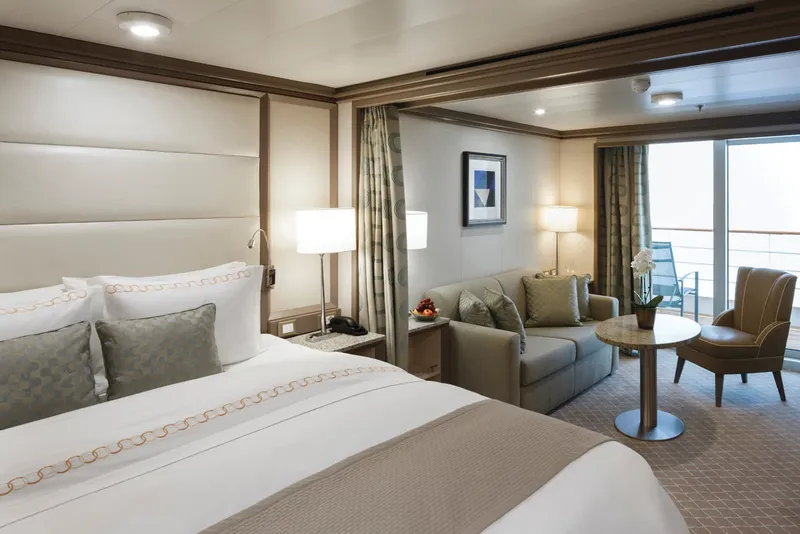
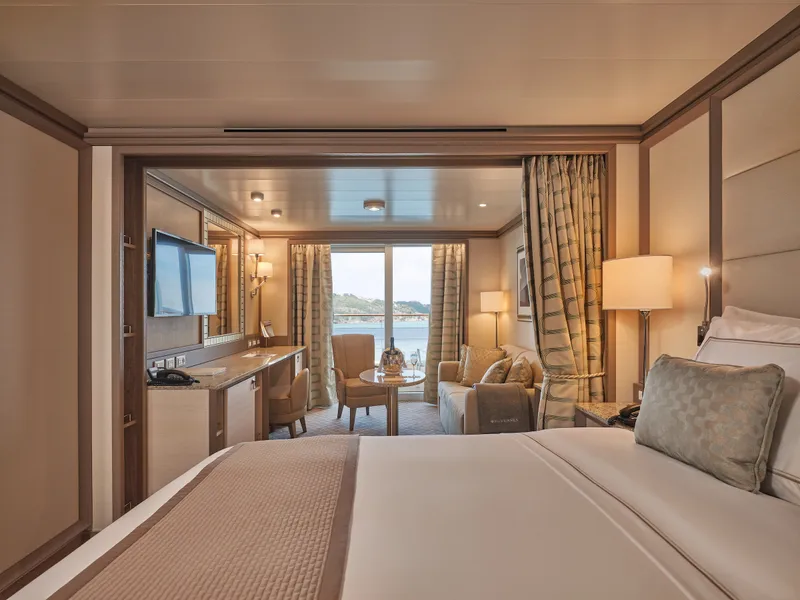
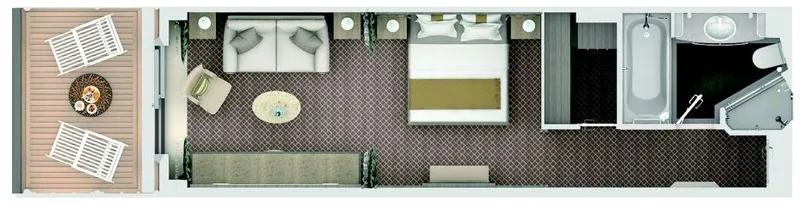

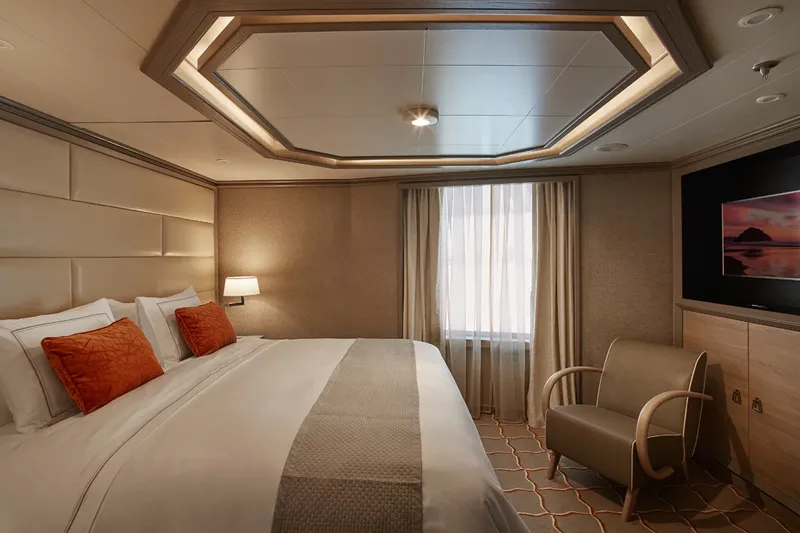
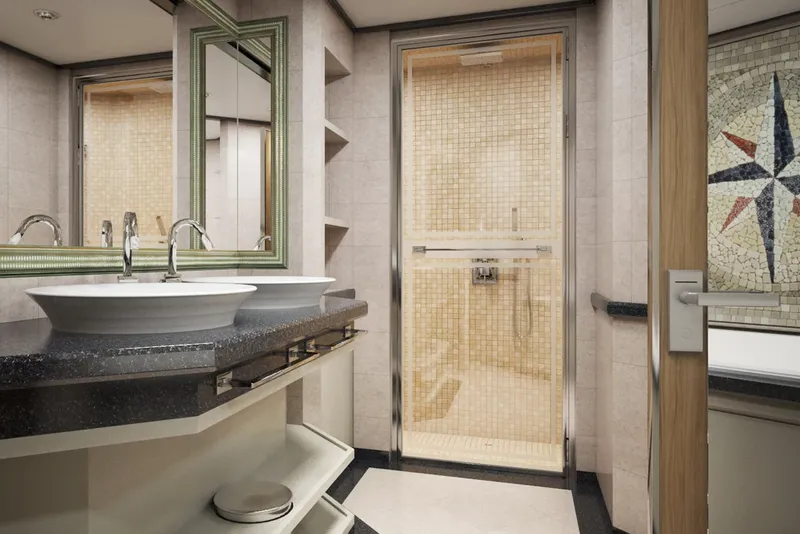

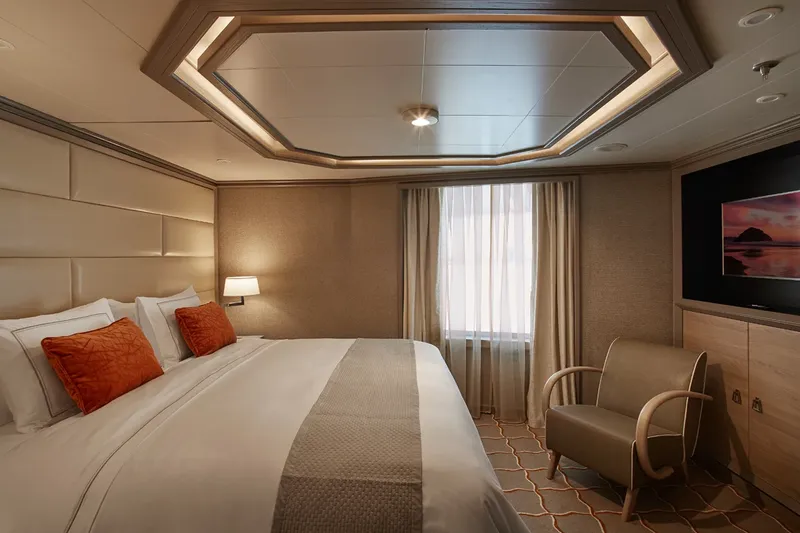
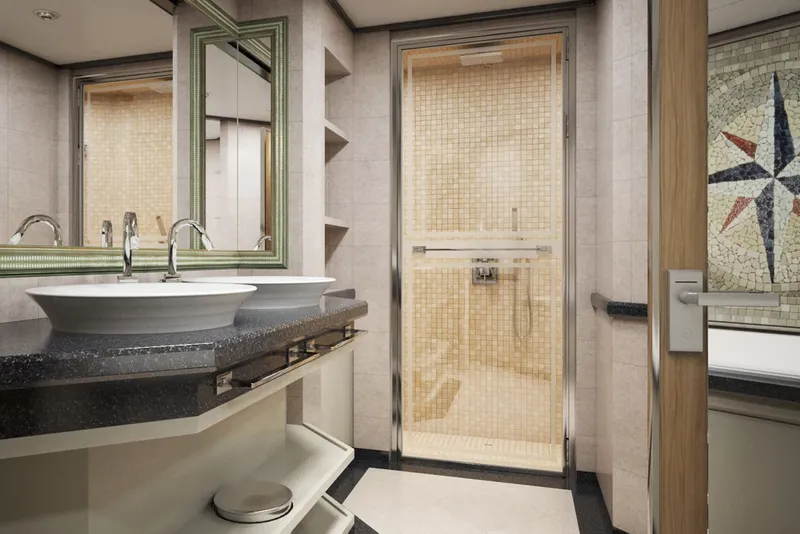


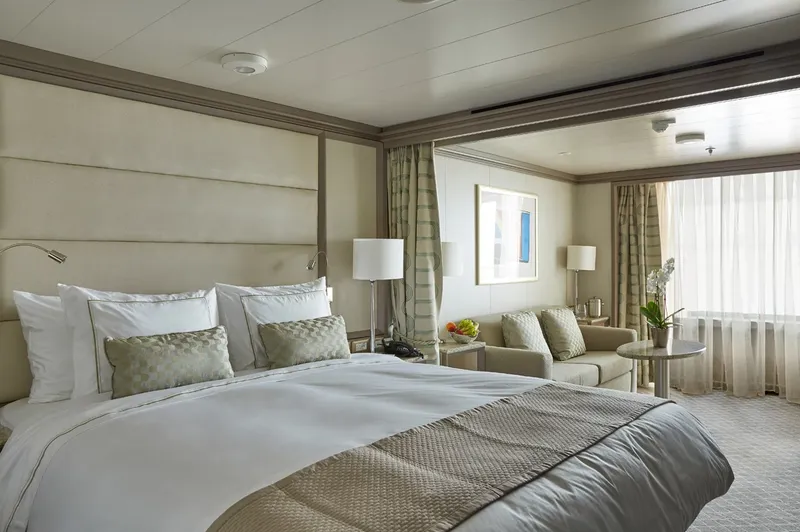
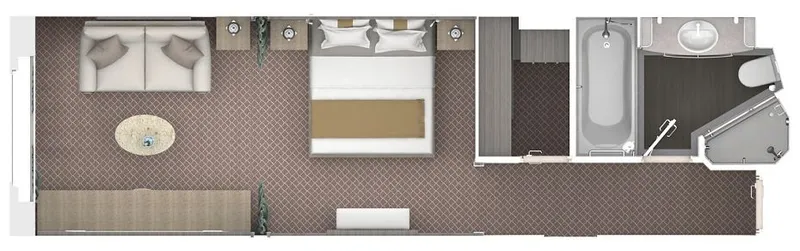
Our cruise specialists can help you find the perfect cabin and the best available pricing.
(+886) 02-2721-7300Contact Advisor